All posts by Scott Meisner

HP’s ‘wall of touch’ prototype does not require touch

HP recently showed off its “wall of touch” concept to The Wall Street Journal.  HP labels it a “large digital sign” that allows users to interact with it.  Interestingly HP gives the user two options for said interaction: you can touch it as you normally would with, say, a Microsoft Surface table, or you can simply point to specific locations on the wall.  With the aid of integrated cameras and a magnetic strip the wall can detect when a user approaches and intentially interacts with it with hand gestures.  For now HP is selling this technology to companies who plan on using it in large public spaces.  In fact, Continental Airlines has one of the first walls installed in their Houston airport.  HP does leave the door open and hints that it may turn into a “mainstream product” if there’s enough interest and demand for it.  It would cost anywhere from “a couple thousand dollars” to $100,000, depending upon the built-in technologies (HD video cameras, etc.).  Be sure to check out a demo of HP’s “wall of touch” in the video above.

[Via Wall Street Journal; Engadget]

Kinetic sculpture reacts to its environment with light and sound

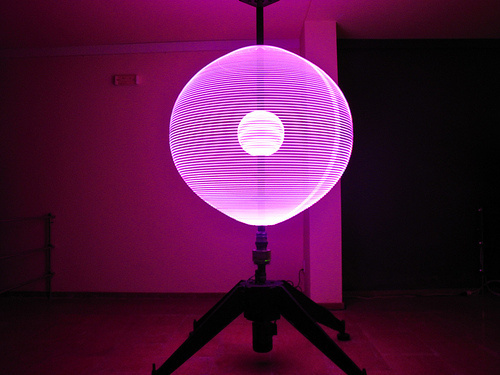
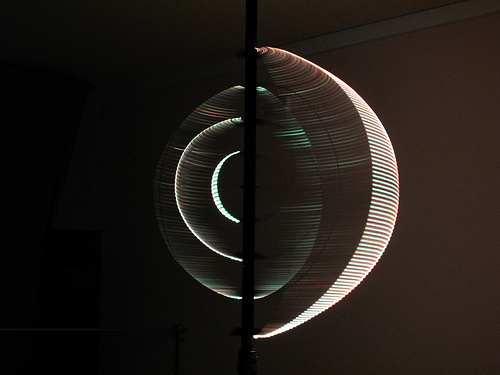
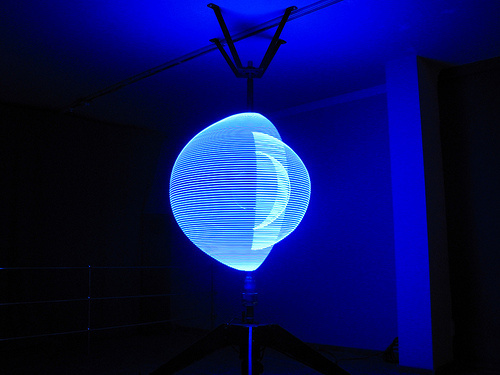
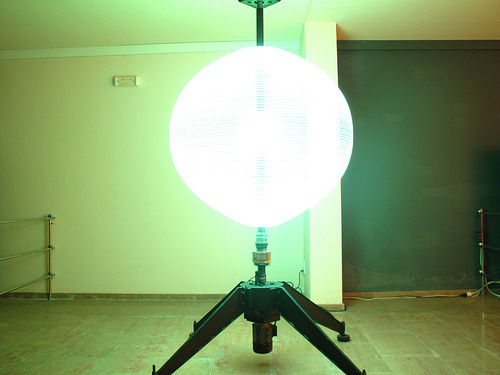
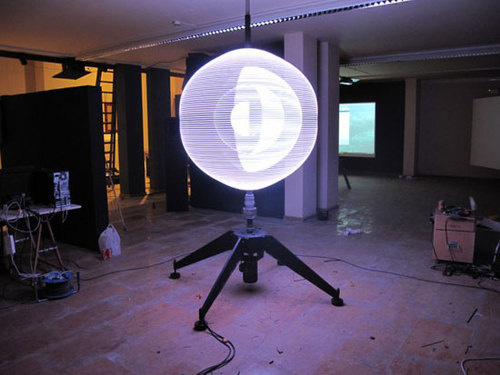
Particle, designed by artist Alex Posada, is a kinetic sculpture that “responds to its environment translating movements into color and sound.”  The sculpture is composed of a stand that’s mounted with several rings sprinkled in LED lights.  The lights rotate around a central axis when it senses nearby motion.  What’s so interesting is that “its movements cannot be predetermined” since its rotations occur randomly depending upon a passersby’s influence upon it.  A surround sound system is synchronized with the flashing LED lights.  Strange and bizzare, but I like it.  Additional images below and a video of it in action after the break.

[Via DesignBoom; Gizmodo]

Continue reading Kinetic sculpture reacts to its environment with light and sound

MIT discovers a way to “print” your meals

MIT students Marcelo Coelho and Amit Zoran have devised a way to prepare meals with an advanced 3D printer machine.  The “Cornucopia” printer and its included canisters promise “control over the origin, quality, and nutritional value of every meal, with no packaging or excess food waste.”  Read on to learn about how the process works:

Cornucopias’ printing process begins with an array of food canisters filled with the “cook’s” foods of choice. After a meal selection has been made using the device’s multi-touch translucent screen, users are able to see their meal being assembled while simultaneously manipulating real-time parameters, such as calories or carbohydrate content. Each ingredient is then piped into a mixer and then very precisely extruded, allowing for very exact and elaborate combinations of food.

Once each ingredient has been dropped, the food is then heated or cooled by Cornucopia’s chamber or via the heating and cooling tubes located on the printing head. In fact, the ability to hyper-localize heating and create rapid temperature changes also allows for the creation of meals with flavors and textures that would be impossible to replicate with present-day cooking methods.

So, is this the future of food preparation?  It’s highly customizable, simpe to use, and it reduces waste.  As long as the end result is in fact “edible” and tasty it passes my standards.  Though I have a feeling the Cornucopia will remain a concept for some time.

[Via Inhabitat; Engadget]

The all-in-one toilet

homecore5

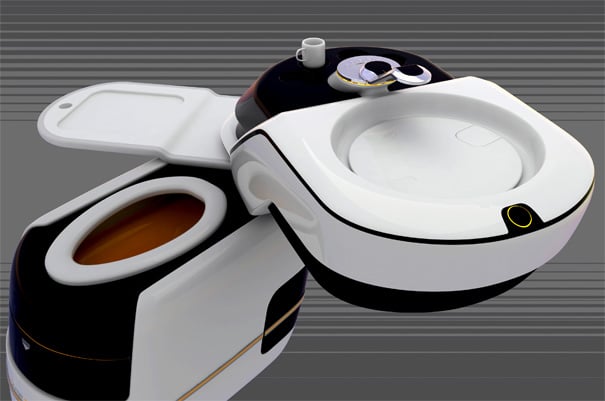
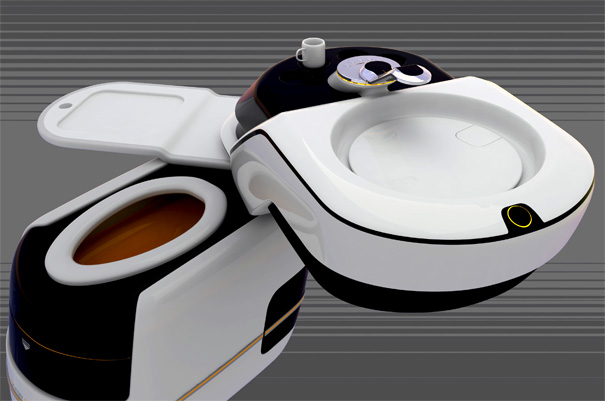
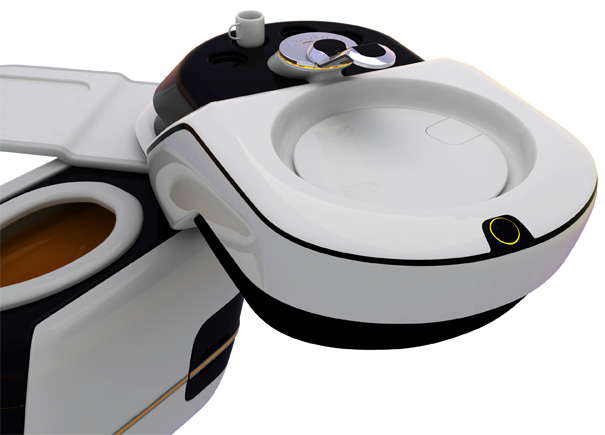
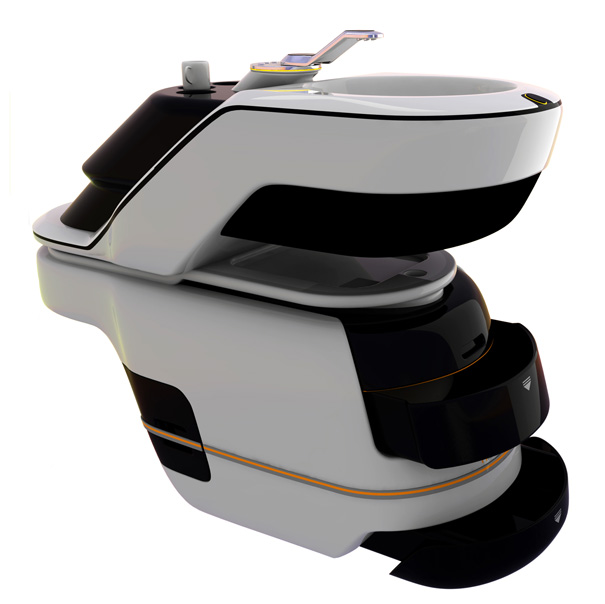
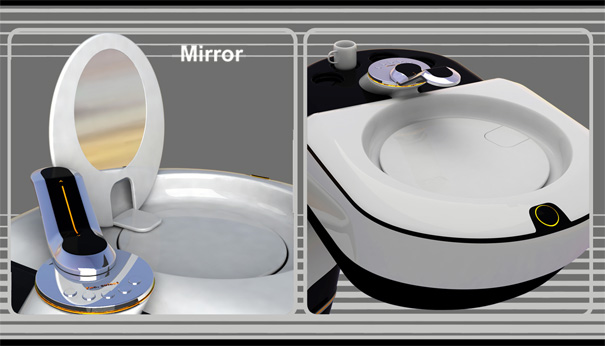
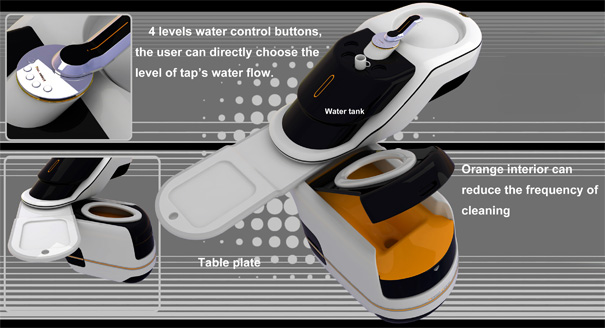
So I’m sure you’ve heard of the all-in-one PC, but I bet you’ve never seen an all-in-one toilet!  The “Home Core Integrated Toilet” designed by Dang Jingwei combines a toilet bowl, sink, mirror, and vanity table into one.  The “main theme” of this one of a kind toilet is its eco-friendliness.  When you use the sink to wash your hands you have the option of choosing to use this “gray water” to flush the toilet.  In other words, the water you wash your hands with becomes the water that resides in the toilet bowl that eventually flushes away your bodily fluids and excrement.  Nothing like an all-in-one, highly efficient and design-savvy toilet, eh?  Oh, it also features four different water pressure levels.

[Via YankoDesign; Gizmodo]

A man named Wilkinson calls this ultimate tree house home

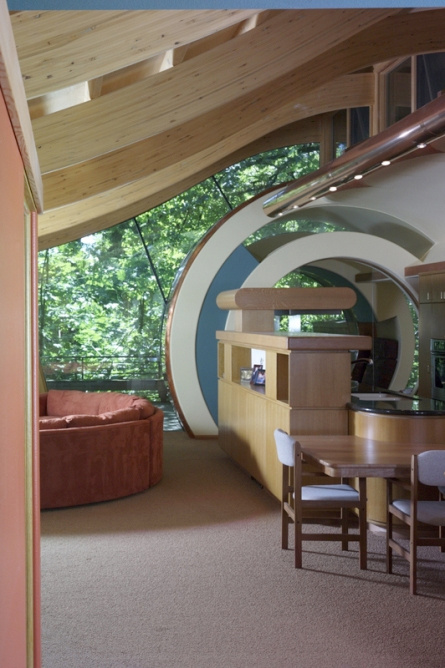
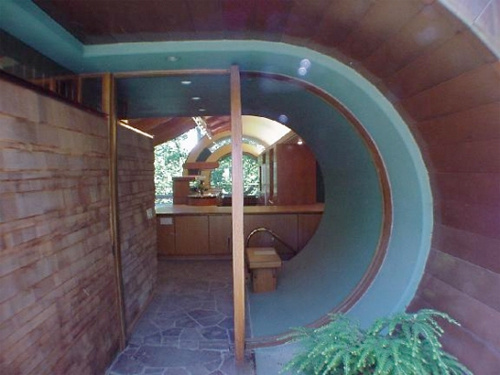
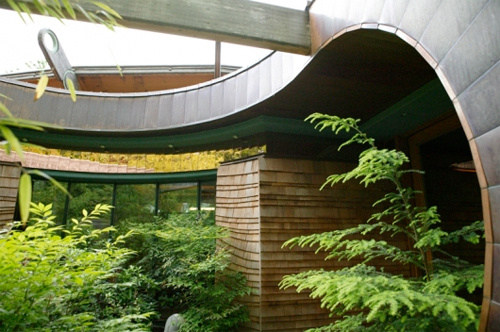
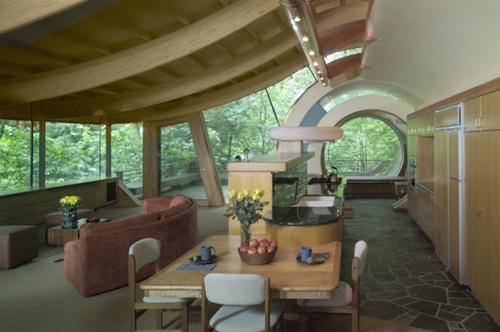
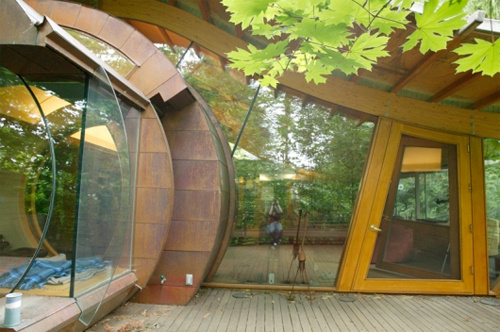
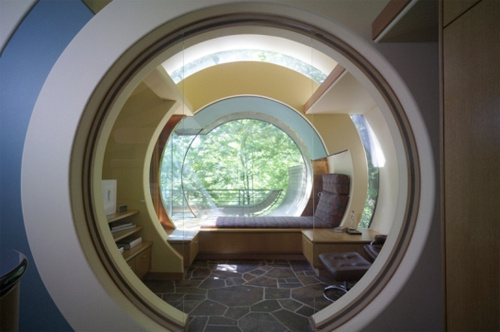
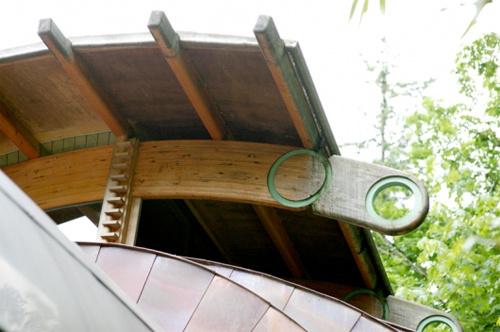
This giant tree house dubbed “The Wilkinson Residence” is located in Portland, Oregon.  It is made entirely of natural wood and contains modern archetectural designs such as curved edges and round windows.  Take a peek into the gallery below for some detailed exterior and interior shots of the home.  Just imagine living in this thing!

[Via Gizmodo]

Lenovo shows off Skylight & Hybrid innovations

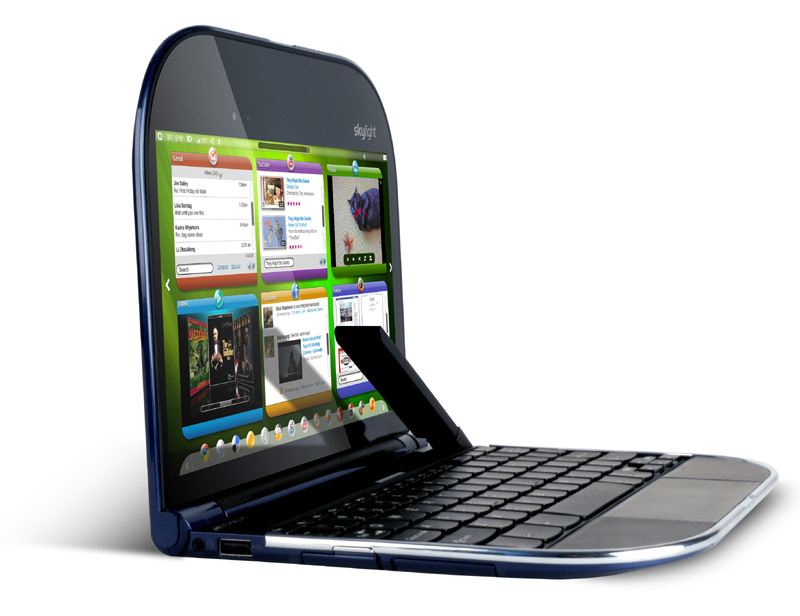
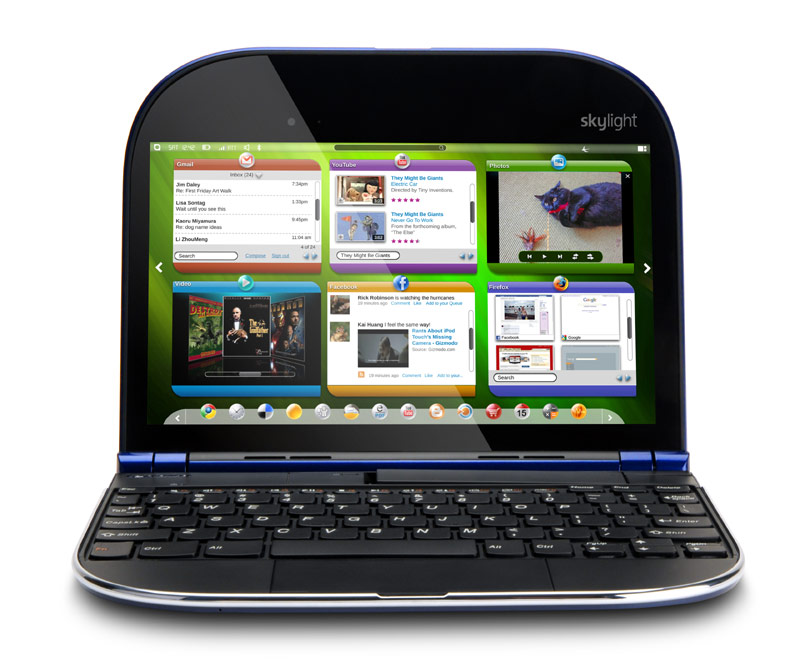
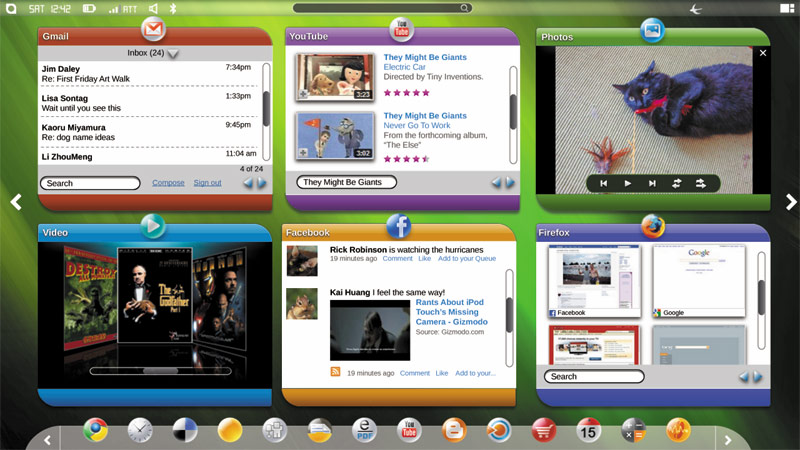
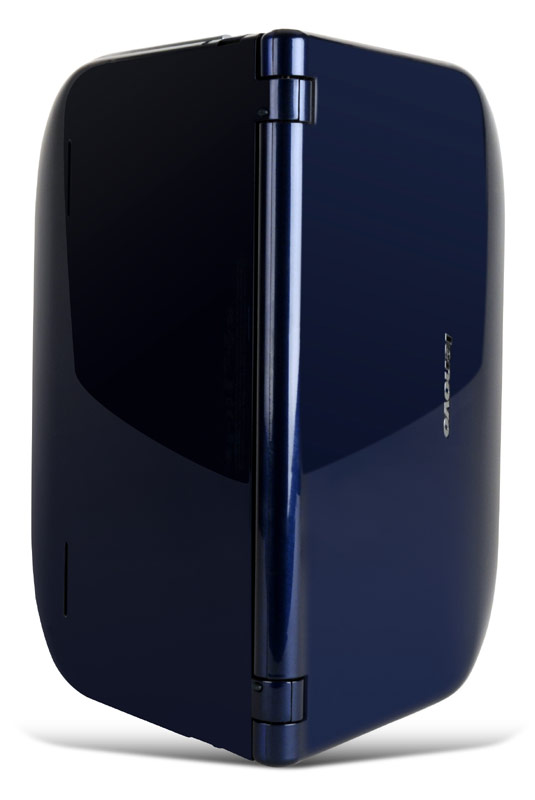
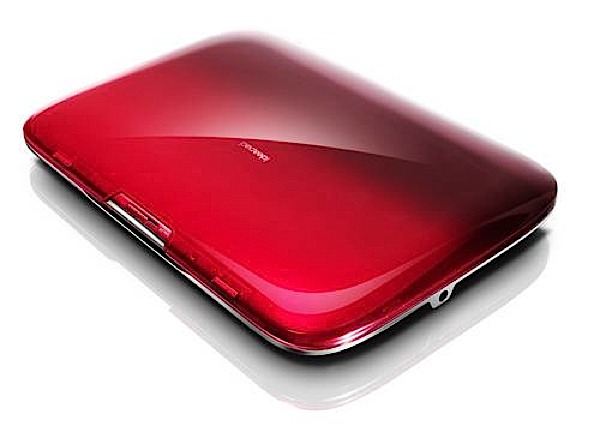
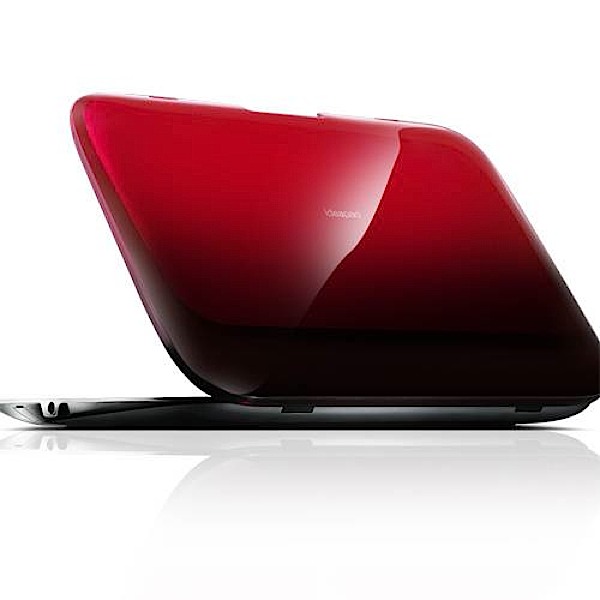
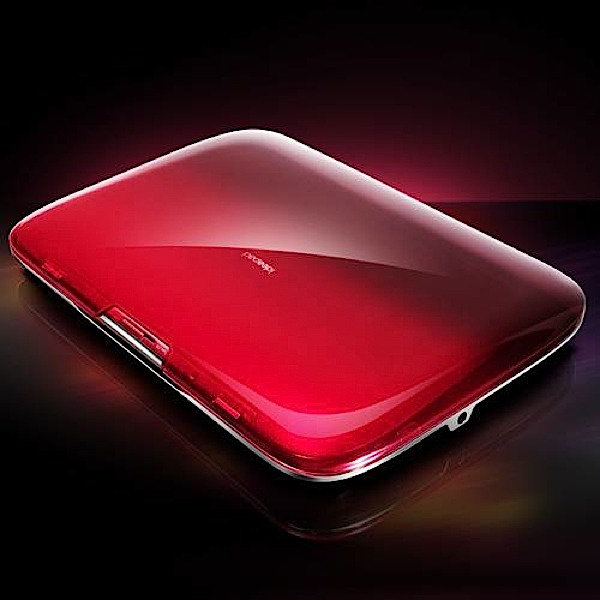
The Lenovo Skylight is being billed as a “smartbook,” positioning itself in the yet to be exploited niche between a netbook and a laptop.  The internals are the most intriguing, so let’s start there.  It’s the first ARM-based smartbook based on Qualcomm’s 1GHz Snapdragon processor and it packs a 10.1 inch (1,280 x 720) display, 20GB of Flash storage, 2GB of cloud storage, an 8GB miniSD card, a 3.1 megapixel webcam, WiFi, and two USB ports.  It also features an AT&T WWAN module, allowing you to connect to AT&T’s 3G service for internet access on the go.  Keep in mind you must purchase an AT&T DataConnect plan in order to enable this feature.  The impressive internal battery lasts up to ten hours on one charge.  The Skylight has a very sleek, minimal design; it weighs under two pounds and it’s about the same thickness as a standard smartphone.  When you open the no-frills clamshell lid you find the HD display, a full-sized keyboard, and an integrated USB stick.  There’s a designated slot where the included USB stick can be stored when it’s not in use.  On the software end, the Skylight runs a customized version of Linux that is based around “live web gadgets.”  These gadgets include customizable windows for Facebook, Twitter, Gmail, and YouTube that are constantly updating in front of you.  You maybe changing your Facebook status as your live Twitter feed and Gmail account updates themselveswith a YouTube video running in the background.  There’s no need to continually log in or refresh.  And don’t fret–there’s a standard web browser to surf the Internet the way you’re used to doing it.  The OS comes with over 18 pre-installed web gadgets including Amazon MP3 and Roxio CinemaNow, to purchase and download music and movies, respectively.  The Skylight will be available for purchase this April for $499 at Lenovo, AT&T, and AT&T stores.  There’s no word as to whether or not AT&T will sell it at a subsidized price if you were to purchase their two-year Data Connect plan at time of purchase.  Look after the break for a Lenovo product tour video.

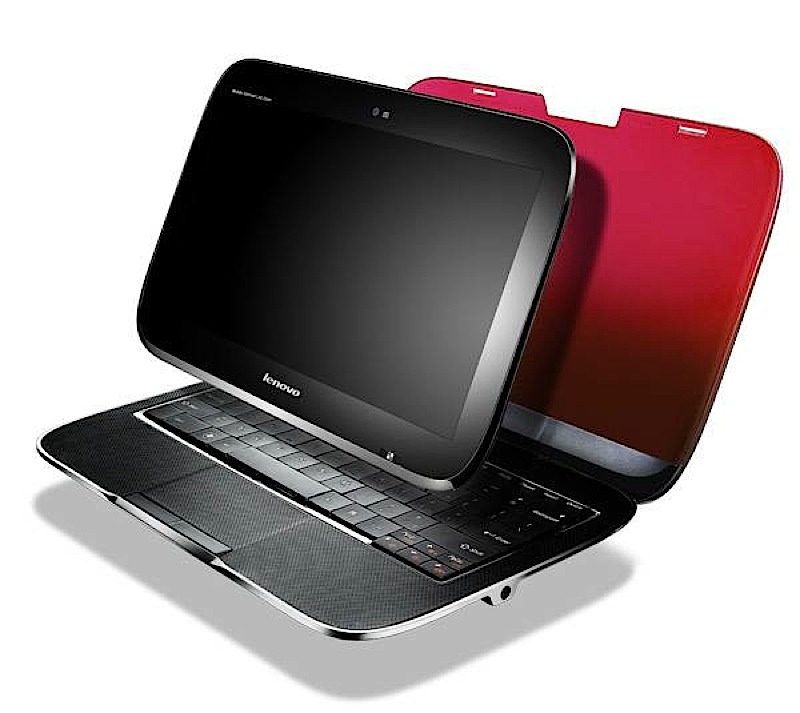
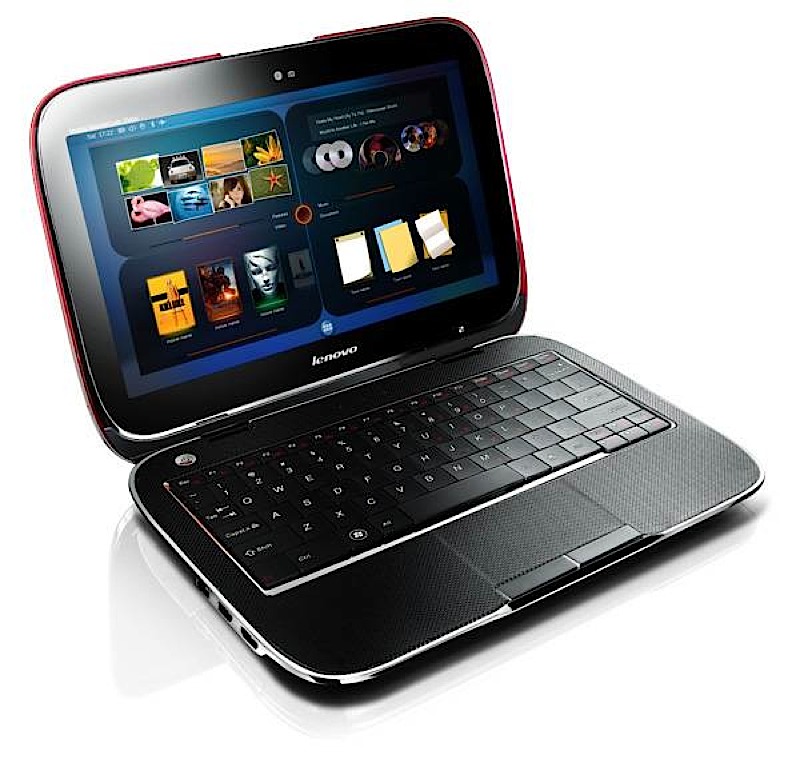
Next up is the Lenovo IdeaPad U1 Hybrid.  Lenovo is marketing it as the industry’s “first hybrid notebook” giving users the ability to switch from a normal laptop setup to a slate tablet.  Allow me to explain.  The Hybrid contains two PC form factors in a single device.  What’s interesting here is that each form factor has its own processor, operating system, and storage.  At first glance, the Hybrid is a 3.8 pound traditional clamshell laptop an 11.6 inch LED (1366 x 768) screen, a full-sized keyboard, runs Windows 7, and is powered by a CULV Intel Core 2 Duo processor.  You guessed it–the second form factor is the detachabledisplay.  The display doubles as a 1.6 pound multitouch slate tablet with its own Snapdragon processor and customized “Skylight operating system” as found in the Skylight smartbook.  Other specs include up to 4GB of RAM (512MB in tablet mode), two USB ports, eSATA, VGA, HDMI,  4-in-1 memory card reader, and a 1.3 megapixel webcam.  The laptop can be equipped with a 128GB solid-state drive, with 16GB allotted to the tablet.  Like the Skylight it also includes WiFi + 3G Internet connectivity.  The battery can support up to five hours of 3G web browsing and six hours when 3G is switched off and in tablet mode.  Also neat is that the two form factors are always synchronized; for example, if you are browsing the Internet in laptop mode and detach the display your content seamlessly transfers to the Skylight OS without interuption.  The two also share “battery power, 3G wireless, data and documents.”  The Skylight software features a “Me Centric” user interface with a four or six section screen display option allowing you to easily access websites, calenders, and other apps while in landscape or portrait mode.  Lenovo plans to release the IdeaPad U1 Hybrid on June 1 for $999.  Again, no word on a 3G carrier subsidy price.

Normally I do not report on every PC/laptop/netbook release that comes my way.  I deemed it poignant to share Lenovo’s smartbook and laptop/tablet hybrid machines because they radiate innovation.  The Skylight has a distinctly small, light, and no-frills design and packs impressive internal specs and battery life.  It’s customized operating system is unique in that it’s optimized for the web experience from top to bottom.  The IdeaPad U1 Hybrid is a fresh concept that I’m frankly surprised to see actually coming to the market.  Though it poses as a sleek and lightweight notebook, its detachable multitouch screen that runs the Skylight OS is very intriguing.  Such a wild idea may result in the long sought solution to helping the slate tablet find its niche in PC market.  No matter how these new entrants in the young smartbook and new hybrid categories sell once they’re released I have a strong feeling their unique form factors and intentions will reverberate throughout the industry as effective product designs.

[Via Engadget, here & here; LaptopMag]


Continue reading Lenovo shows off Skylight & Hybrid innovations

2010 Golden Globe winners: Glee, Up, The Hangover, & Avatar come out victorious

This year’s televised Golden Globes award show was terribly boring.  That said, allow me to share my excitement over some of the night’s winners.  (And take a second to glance at my predictions.)

In the television categories, Glee won Best TV Comedy…and that’s about all that interested me.  Fellow freshman comedy Modern Family and others like 30 Rock, The Office, and Entourage missed out on the win.  In my opinion Glee or Modern Family equally deserved to win this category.  Notable losses include House to Mad Men (Best TV Drama); Hugh Laurie to Michael C. Hall (Best Actor in TV Drama); Matthew Morrison and Steve Carell to Alec Baldwin (Best Actor in TV Comedy); Lea Michelle and Tina Fey to Toni Collette (Best Actress in TV Comedy); Michael Emerson, Neil Patrick Harris, and Jeremy Piven to John Lithgow (Best Supporting Actor in TV Series); Jane Lynch to Chloe Sevigny (Best Supporting Actress in TV Series).

In the film categories, UP deservedly won Best Animated Film and Best Score (props to Michael Giacchino); The Hangover surprised everyone and won Best Musical/Comedy against Nine, Julie & Julia, It’s Complicated, and 500 Days of Summer; Christoph Waltz surprised no one and took Best Supporting Actor for his memorable role in Inglourious Basterds; and Robert Downey, Jr. unexpectedly won Best Actor in a Musical/Comedy for his role as Sherlock Holmes.  His acceptance speech was by far the most entertaining.  I was truly blown away by the success of Avatar (or as Arnold Schwarzenegger called it, “Avadart”); it won Best Drama and James Cameron took Best Director (beating out his ex-wife Kathryn Bigelow (The Hurt Locker) and Quentin Tarantino (Inglourious Basterds). The time and money this epic took to create paid off both financially and critically.  Job well done, Cameron.  Notable losses include District 9 and Inglourious Basterds to Up in the Air (Best Screenplay).

Also, we cannot forget about the coveted Cecil B. Demille Award “for lifetime achievement in motion pictures.”  This year it was bestowed upon director Martin Scorsese for his excellent work in films like Taxi Driver, Raging Bull, Good Fellas, The Departed, and the forthcoming Shutter Island.  For the full list of winners click here.

Lost and Modern Family will take it next year.

Watch this shot-for-shot modern rendition of the ‘Perfect Strangers’ opening credits

Here’s random for you… Perfect Strangers was an ABC sitcom that ran for eight seasons from 1986 to 1993.  Today, a bunch of theatre geeks got together to create a shot-for-shot remake of the opening credits introduction from the show.  The remake takes place in Seattle and many of the landmarks are eerily similar to those found in the original introduction, which took place in Chicago.  Can you find all the prominent Seattle landmarks?  Jump after the break for a list of them.  Great job, guys!

[Via Pereira’s Twitter page; SeattlePI]

Continue reading Watch this shot-for-shot modern rendition of the ‘Perfect Strangers’ opening credits