Happy 10th Anniversary, PlayStation 2

Can you believe it’s been a whole ten years since PlayStation 2 reinvented the video game console on March 4, 2000?  For many it was their first DVD players, for others it brought sheer pleasure with games like God of War, Guitar Hero, SOCOM, Ratchet and Clank: Up Your Arsenal, Gran Turismo 4, Devil May Cry 3, and Grand Theft Auto III.  It was the PS2 that officially knocked Nintendo off his high horse, introducing video playback and the desire for better, high-end graphics for immersive games.  The legacy of PS2 will live on in our nostolgic hearts and minds.  Check out this timeline (if you haven’t already) that Sony put together in celebration of 15 years of PlayStation.

TiVo Premiere hardware & software is sleek and shiny

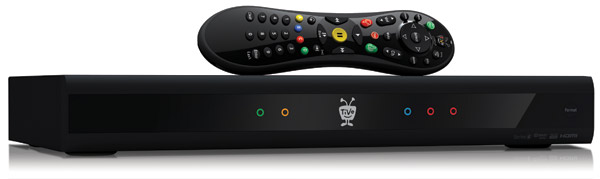
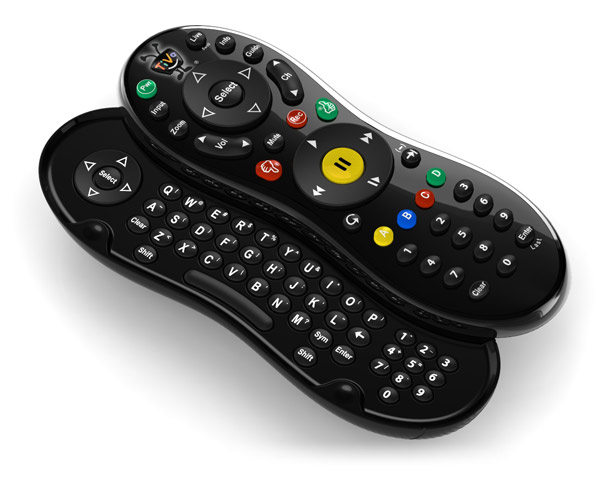
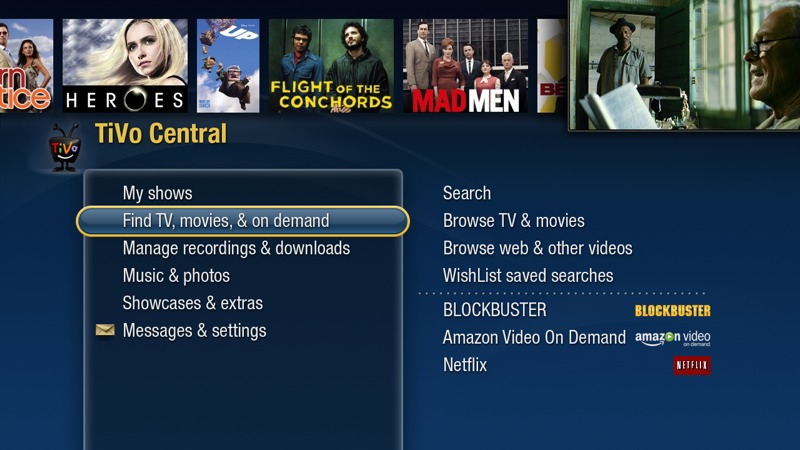
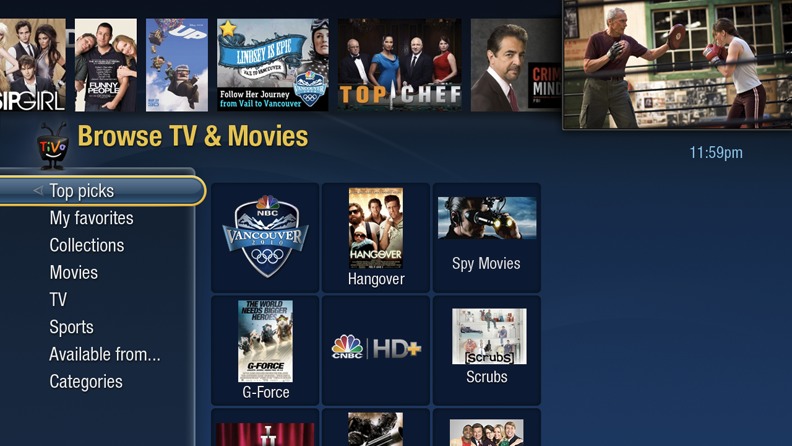
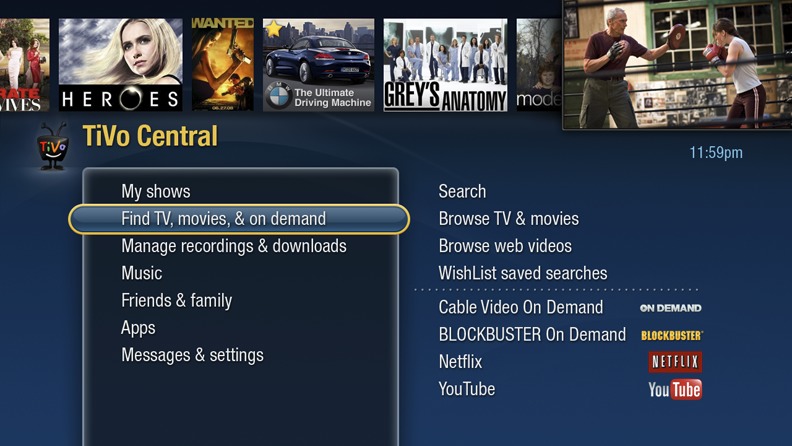
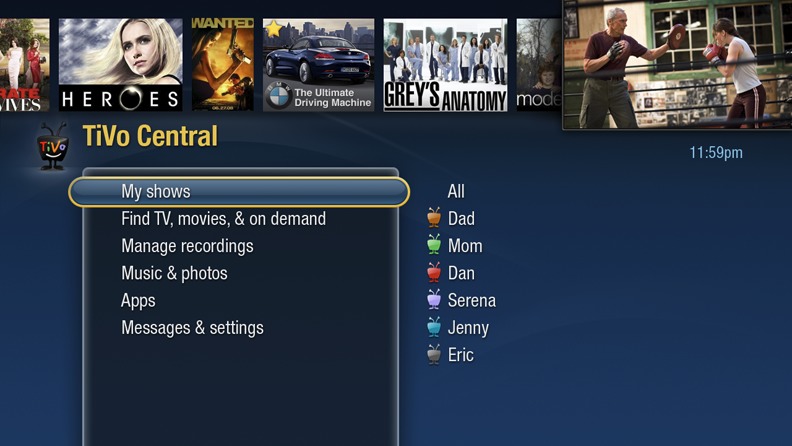
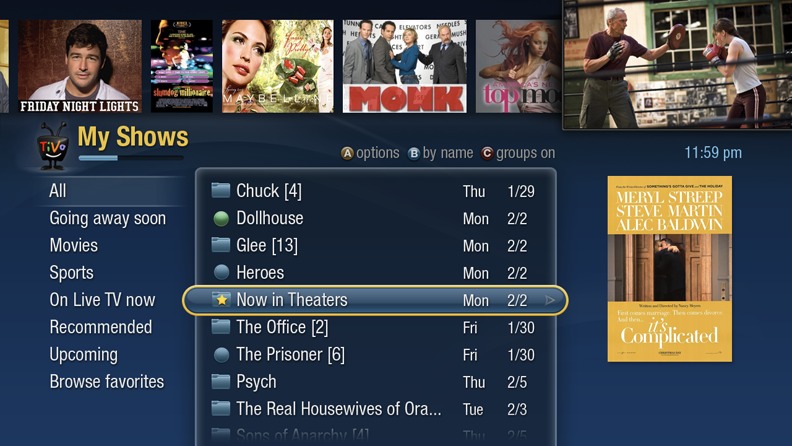
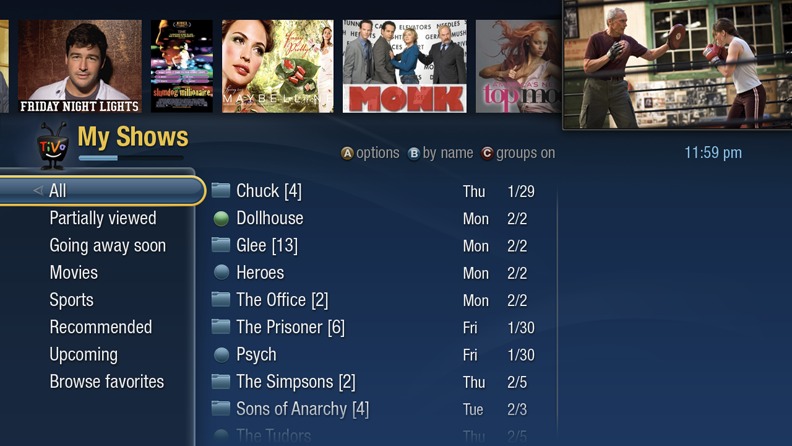
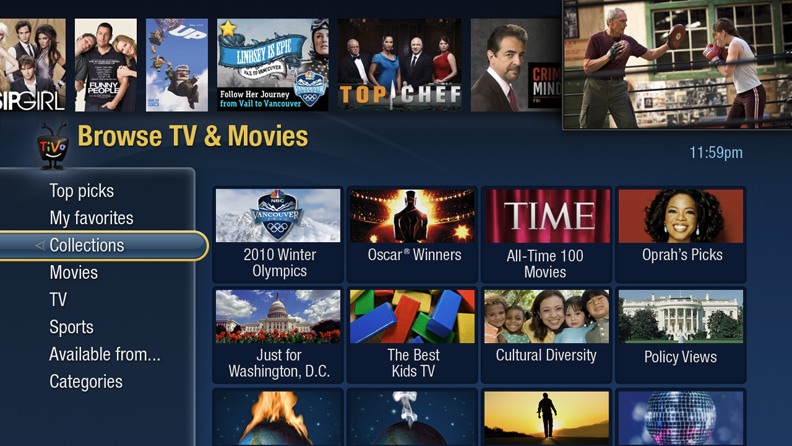
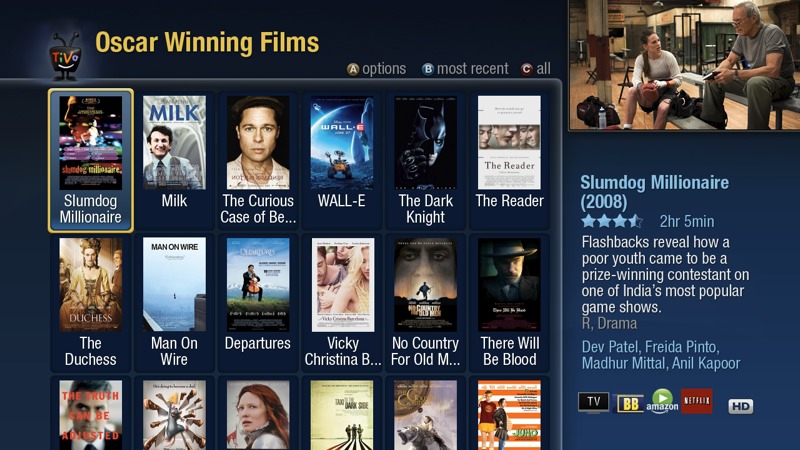
 On Tuesday TiVo announced their latest set-top box.  The TiVo Premiere intros a brand new, very sleek hardware box and even more exciting, a Flash-based (but you couldn’t tell) HD-ready user interface.  The UI redesign focuses on upgraded search capabilities and relies on the power of the Internet for updating informational content.  It features an IMDB-like database, giving you access to a wide range of movie and actor info.  Besides controlling your cable TV lineup, the box hooks you up to Blockbuster On Demand, Amazon Video on Demand, and Netflix for additional viewing choices.  TiVo also unveiled a redesigned Bluetooth remote that features a slide-out QWERTY keyboard, making the new search options all the more welcome.

TiVo Premiere (320GB HDD) and TiVo Premiere XL (1TB HDD) go on sale this April for $299 and $499, respectively.  The QWERTY remote (price undisclosed) and a Wi-Fi adapter ($99) will be sold separately at a later date.  For more information about TiVo Premiere, look after the break for the official press release.  UI images and a closer look at the remote in the gallery below.  Welcome to the modern age of HD and information overload, TiVo!

[Via Engadget]

Continue reading TiVo Premiere hardware & software is sleek and shiny

RoboThespian deserves an Oscar (or two)

Meet RoboThespian, a robot that, according to Wired, “shows more acting range than some Hollywood stars.”  This is the third and obviously most advanced version of his kind created by Engineered Arts.  He’s powered by compressed air and air valves that aid in movement.  Lifelike detail can be found in his facial expressions and body movement.  The coolest part about him is that he can be programmed to perform a script at anyone’s whim and translate text to speech in English, Spanish, Germany, French, and Mandarin Chinese!  If you like what you see here, look after the break for additional videos showing off RoboThespian’s acting chops.

[Via Wired; Gizmodo; RoboThespian]

Continue reading RoboThespian deserves an Oscar (or two)

Cool Leaf design does away with buttons, says hello to the future

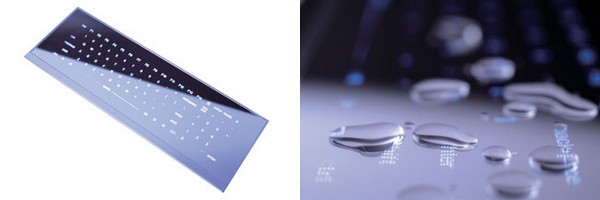
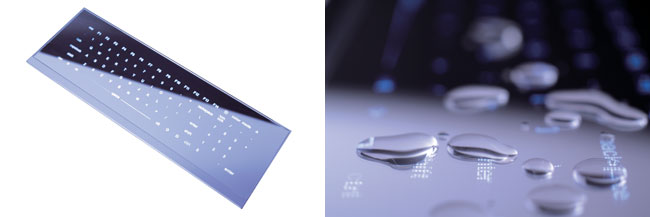
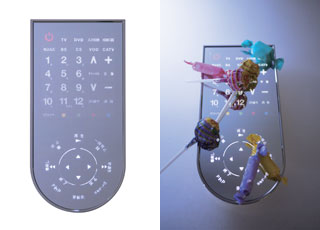
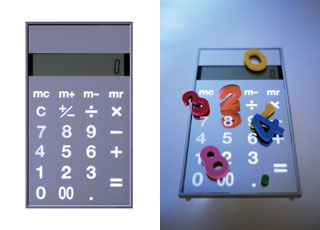
From Japanese company Minebea comes Cool Leaf, a mirrored, highly reflective, and button-less design made for various input devices.  Following in the footsteps of the Cleankeys keyboard, the Cool Leaf keyboard features a completely flat surface, making the process of cleaning and dusting it too easy.  A special film is incorporated on top of the input surface and recognizes your fingers when you go to press its “non-physical”buttons.  Back lights are also there to help guide the touch experience.  Minebea plans on bring the technology to market sometime in future, when these designs belong!  Check out the gallery below to see Cool Leaf resting atop a remote control and a calculator.

[Via CrunchGear; Engadget]

Skinput brings user interactivity to your body

Carnegie Mellon University and Microsoft have teamed together to create a different type of user input system.  It’s aptly called Skinput and here’s how it works:

We present Skinput, a technology that appropriates the human body for acoustic transmission, allowing the skin to be used as a finger input surface. In particular, we resolve the location of finger taps on the arm and hand by analyzing mechanical vibrations that propagate through the body. We collect these signals using a novel array of sensors worn as an armband. This approach provides an always-available, naturally-portable, and on-body interactive surface.

Veddy veddy interesting.  Potential applications for such a daring input system include cell phone calls, video games, mp3 players.  Is it practical?  I’m not so sure.  But the idea of having a hierarchical menu system accessible on your forearm and manipulated by the touch of your finger and its vibrations just sounds and looks (see the video above) so cool!

[Via NewScientist; Gizmodo]

Microsoft makes Surface “mobile”

Microsoft’s Surface table is fairly large and very expensive.  And those are two factors that don’t mesh well with the general consuming public.  Microsoft gets that, so they’ve gone ahead and created a prototype version of their multitouch table called Mobile Surface.  Like its older brethren, Mobile Surface uses a projector/camera combo that allows you to interact with on-screen images.  Difference here is that the image projection can be displayed on any surface (making it portable) and it allows for in-air manipulation.  For example, as seen in the video above, you can play the drums without physically touching the tabletop.  Mobile Surface links up to a secondary device, like a cell phone or laptop, to indicate what you’re interacting with.  Pretty neat if you ask me.  Currently Mobile Surface is a Microsoft Research project and Microsoft did not comment on a potential mainstream release.

[Via Pocketlint; Engadget]

The “principal” behind the webcam-spying-on-students fiasco

You’ve probably heard this story in the news: Lower Merion School District in Philadelphia gave out laptops to their high school students and used the built-in camera to spy on them.  The administrators had the ability to remotely turn on the webcams so the students could be watched outside school grounds.  After being caught red-handed, the school claimed this was a security measure meant to find stolen laptops.  Having been sued by one student and entering a legal investigation concerning privacy issues, the school has since shut down the webcam “security” feature.

This here video is a “hypothetical look inside the webcam-spying principal’s office,” brought to you by Giz’s Adam Frucci and DC Pierson of Derrick Comedy fame.

[Via Gizmodo]