Category Archives: Images

TV Reminder: ‘The Walking Dead’ premieres tonight! [Update: the ratings are in…]

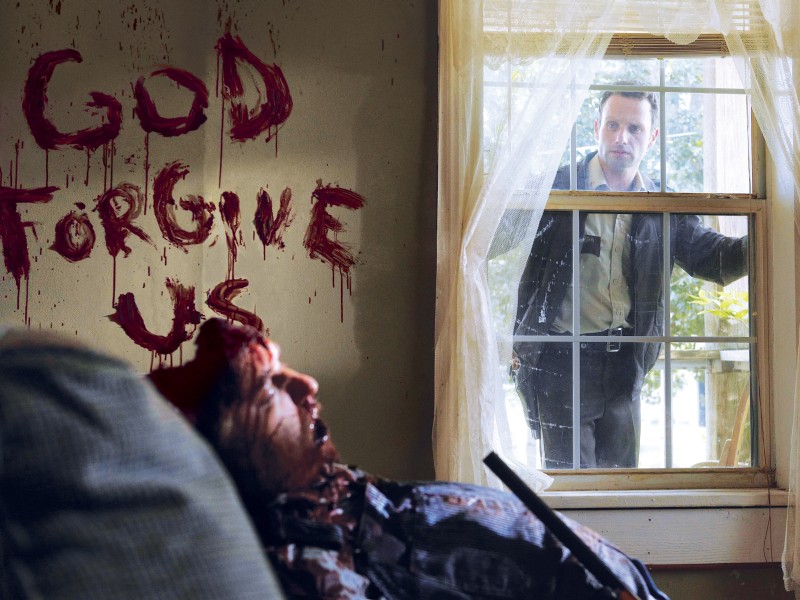
After many years of anticipation, tonight zombies will invade our living rooms like never before.  The Walking Dead, a comic book series created by Robert Kirkman and adapted for television by Frank Darabont, follows a group of survivors dealing with a world overrun by zombies.  The collaboration between Kirkman, Darabont, producer Gale Anne Hurd, and makeup effects artist Greg Nicotero promises to result in a frightening drama about the human psyche featuring the best looking and most convincing zombies made for television.  The 6-episode season one arc begins tonight at 10PM on AMC.  The series premiere runs an hour and a half in length, so set your DVRs accordingly.  And if you plan on celebrating Halloween night outside the home, don’t forget to record it!  Happy Halloween!

Look in the gallery below for character profiles and spooky stills from the premiere.

Update: The Walking Dead premiere was a record-smashing success!  The 10PM showing attracted 5.3 million viewers–the largest audience for an AMC original series ever.  Want another record-breaking stat?  In the 18-49 demo, the show netted 3.6 million viewers making it the highest rated cable series debut in 2010.  The adults 25-54 and 18-34 demos netted 3.1 million and 2.1 million viewers, respectively.  AMC aired the premiere two more time during the night (at 11PM and again at 1AM), so if you take those showings into account, the premiere garnered a grand total of 8.1 million viewers.  Says Charlie Collier, AMC president: “It’s a good day to be dead.  We are so proud of this series, its depth of storytelling and the remarkable talent attached.  As the network dedicated to bringing viewers the best stories on television, we are so pleased to have the opportunity with The Walking Dead to raise the bar within this popular genre and continue our commitment to being the home of premium television on basic cable.”  So Mr. Collier, how about renewing this flipping success for a second season, hm?

[Images via IGN; Deadline; EW]


Look! It’s Chris Evans dressed as Cap!

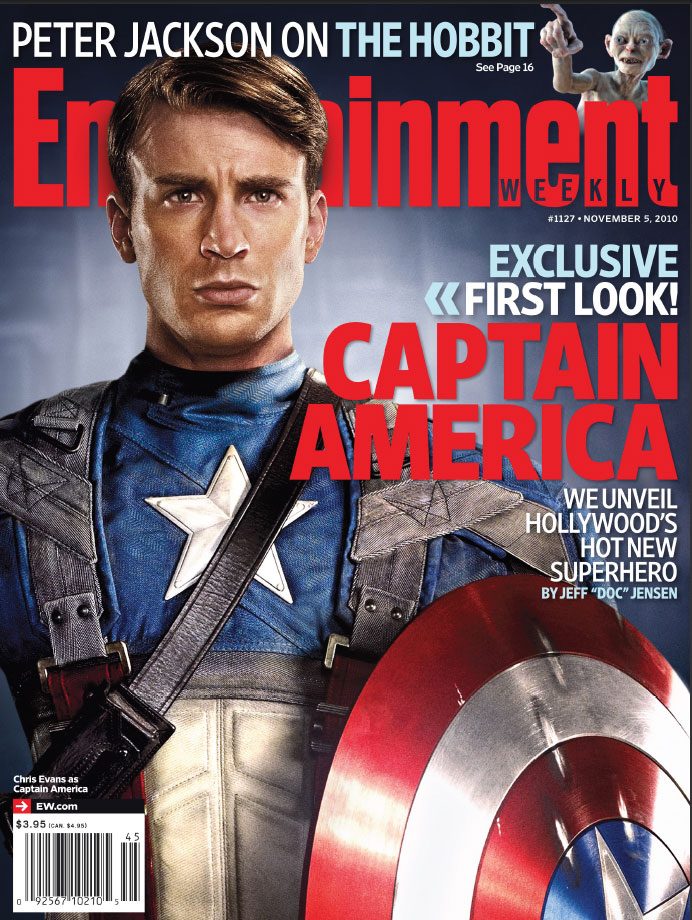
Marvel has decided it’s time to move past the concept image stage and onto the real thing.  The latest issue of Entertainment Weekly features Chris Evans donning the red, white, and blue Captain America suit and holding the shield.  Yeah, I like what I see.  Too bad he’s not wearing the super cool helmet.  That reveal will likely come as we get closer to the theatrical release of Captain America: The First Avenger.  It opens nationwide July 22, 2011.  And there’s more where this came from.  Look in the gallery below to see more stills of Evans as Cap, as well as a glimpse of Hugo Weaving as the Red Skull.  EW, keep ’em coming.

[Via EW; CBM]

E-ink, shme-ink, says Barnes & Noble; meet Nook Color

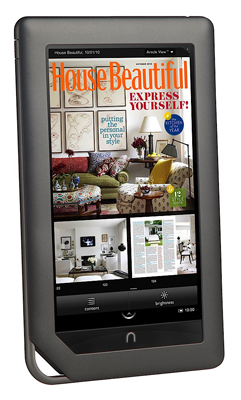
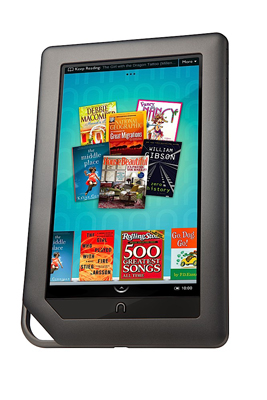
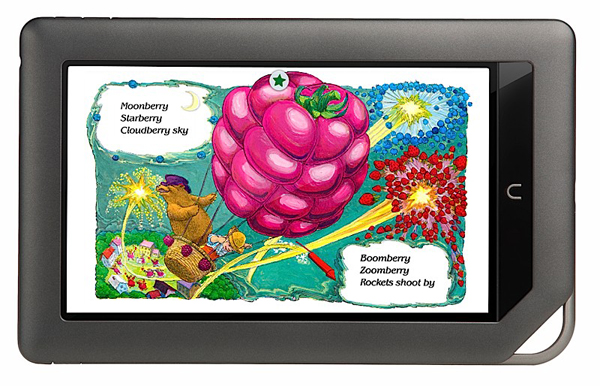
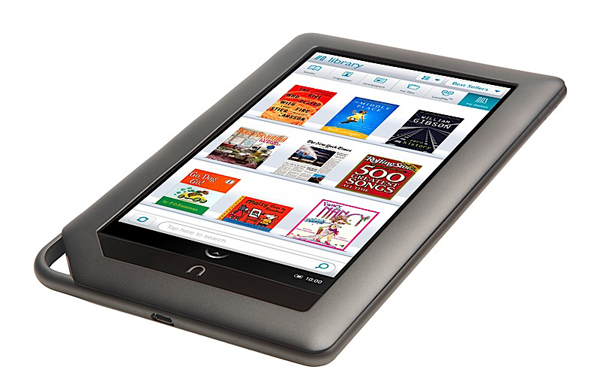
Yesterday Barnes & Noble unveiled the next version of their Nook e-reader.  Nook Color is more than a simple e-reader, proclaims B&N; they call it a “reader’s tablet.”  Let’s run through the impressive specs and features, shall we?  The new Nook was designed in collaboration with industrial designer Yves Behar and it packs a 7-inch (1024×600) LCD color touch display (from LG) that can show more than 16 million colors and has a wide viewing angle thanks to integrated IPS screen technology.  The “VividView” display is covered with a lamination screen film that promises to minimize glare.  E-ink is no where to be found here–this is LCD all the way.  Liken this to iPad reading, not Kindle reading.  It’s light and portable at 8.1” (height) by 5” (width) by 0.48” (depth) and 15.8 ounces.  Built-in 802.11 b/g/n WiFi is used to explore, purchase, and share content.  A 3G model was not announced.  There’s 8GB of internal storage, and that can be expanded up to 32GB thanks to the microSD slot.  B&N claims it has an eight hour battery life with WiFi turned off–a steep price to pay for color support (the original Nook boasts a 10-day battery lifespan).  Nook Color runs Android all across its 7-inch touchscreen (the original Nook features a large E-ink screen with a small Android-powered touch display below it).  Swiping through books and pinch-to-zoom are present and accounted for.

Content and apps time.  The NOOKbook Store includes over two million books for Nook owners to preview and purchase.  NOOKnewsstand brings a whole slew of newspapers, periodicals, and magazines to Nook; they include The Wall Street Journal, The New York Times, USA TODAY, Rolling Stone, Esquire, US Weekly, National Geographic, Martha Stewart Living, Cosmopolitan, and Elle.  Periodicals will be available by subscription and single copy.  Reading is optimized for the touchscreen; ArticleView allows you to customize the reading experience to your liking.   NOOK kids brings over 130 digital picture books and 12,000 chapter books aimed at children.  AliveTouch enables children to interact with words and pictures; it also gives them the option for the device to read a story aloud (death to parenting!).  The Read In Store program allows Nook owners to read Nookbooks for free one hour at a time inside B&N stores only.  With the LendMe app, owners can lend their friends books and request to borrow books from friends; sharing books is free and books can be lended for up to 14 days.  Books can be recommended and shared with friends over Facebook, Twitter, and email; yes, the Nook has gone social.  Since Nook Color technically is a tablet too, developers can now create engaging apps for the device.  B&N calls them “extras” and those available at launch will include Pandora (for music streaming), Quickoffice (for reading Microsoft Office files, PDFs, JEPGs, and more), and games (crossword puzzles, Sudoku, chess, etc.).  Though it runs Android, users will not have access to the Android Market or Market apps.  The upswing?  A full browser is included to surf the web (Flash is not supported).

Nook Color hits store shevles November 19 for $249.  You can preorder today at the B&N website.  It will go on sale at Walmart, Best Buy, and Books-a-Million in late November.  Full PR after the break.

In addition to announcing Nook Color, B&N took time to share details about a pending software update for the original Nook (WiFi) and Nook (WiFi+3G) models.  Expect faster page-turn speed, improved search functionality, customized B&N Library organization, password protection, and continuous reading across all NOOK devices and software.  Firmware update 1.5 will be available as a free download via WiFi this November.

[Via B&N; Engadget]

Continue reading E-ink, shme-ink, says Barnes & Noble; meet Nook Color

Kid Cudi drops third single, reveals MOTM2 tracklist + posters

Cudder’s sophomore slam is nearly here.  Want a peek at the 17 song ‘scenelist’ for Man on the Moon II: The Legend of Mr. Rager?  Force your eyeballs slightly downwards.

Act 1: The World I Am Ruling
1. Scott Mescudi Vs The World feat. Cee-Lo (Producted by Emile)
2. REVOFEV (Producted by Plain Pat)

ACT 2: A Stronger Trip
3. Don’t Play This Song feat. Mary J. Blige (Producted by Emile)
4. We Aite (Wake Your Mind Up) (Producted by Emile)
5. Marijuana (Producted by Dot Da Genius)
6. Mojo So Dope (Producted by Emile)

Act 3; Party On
7. Ashin’ Kusher (Producted by Chuck English)
8. Erase Me feat. Kanye West (Producted by Jim Jonsin)
9. Wild’n Cuz Im Young (Producted by Plain Pat)
10. The Mood (Producted by Emile)

Act 4: The Transformation
11. MANIAC feat. Cage & St. Vincent (Producted by Anthony Killhoffer)
12. Mr. Rager (Producted by Emile)
13. These Worries feat. Mary J. Blige (Producted by Emile)
14. The End feat. GLC, Chip Tha Ripper & Nicole Wray (Produced by Blended Babies)

Act 5: You Live & You Learn
15. All Along (Producted by Emile)
16. GHOST! (Producted by Emile)
17. Trapped In My Mind (Producted by Dot Da Genius)

As you can see, Cudi organized the tracklist here the same way he did for the original MOTM; it flows more like a “scenelist” where the tracks are bunched into individial scenes and they bleed into each other very much like a movie.  Cudi managed to scoop up some impressive featured artists; there’s Cee-Lo, Mary J. Blige, Kanye West, Cage, St. Vincent, GLC, Chip Tha Ripper, and Nicole Wray.  Dot Da Genius, Emile, and Plain Pat return as producers along with new recruits Jim Jonsin, Chuck English, Anthony Killhoffer, and Blended Babies.

You’ve already seen the album cover for the regular and deluxe versions, so how about we detail how they differentiate.  The regular version comes complete with all 17 tracks; the final song “Maybe” is an iTunes bonus track (produced by Dot Da Genius and Rami Beatz).  The deluxe versions comes with all 17 songs plus the “Erase Me” music video and a 30 minute documentary titled “Journey of Mr. Rager.”  If you want that bonus track, preorder MOTM2 in iTunes: standard / deluxe.  And if you preorder today, you will instantly receive a copy of single #3 that is “Mr. Rager.”  Prefer a physical copy?  Amazon’s got you covered: standard / deluxe.

Curious about the movie poster hanging above? Continue reading Kid Cudi drops third single, reveals MOTM2 tracklist + posters

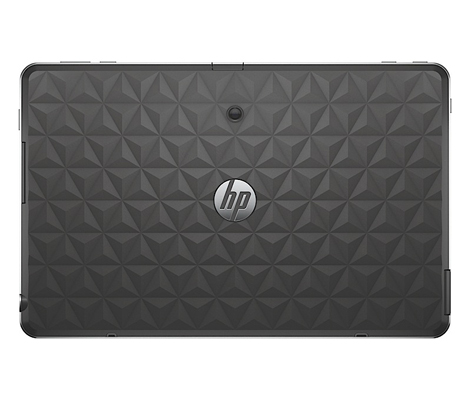
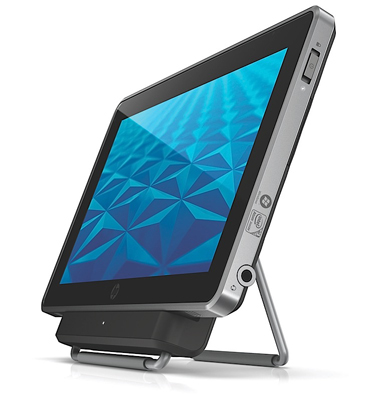
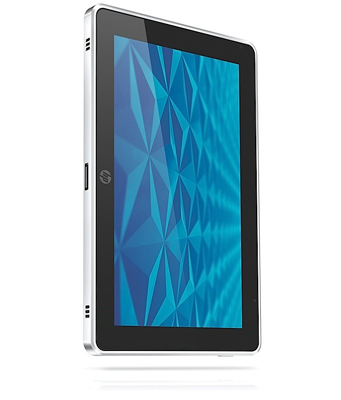
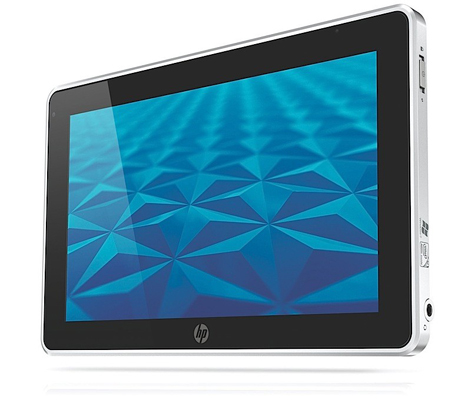
HP gives in, officially unveils Windows 7 powered HP Slate priced at $799

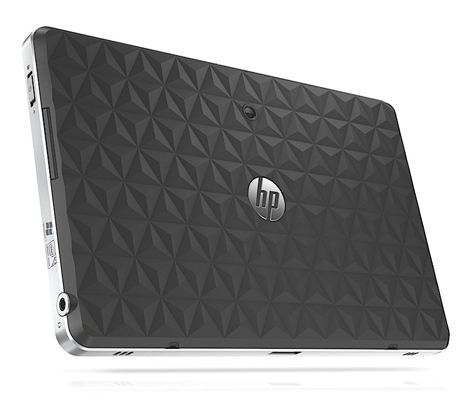
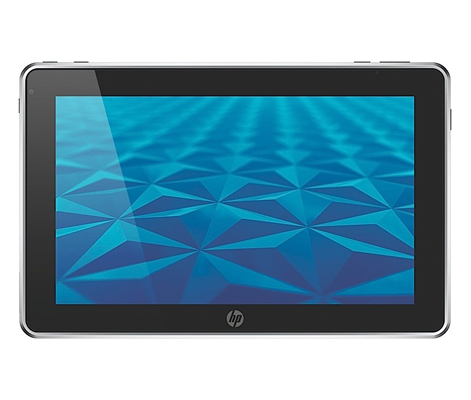
After almost an entire year of teases, demos, random resurfaces, and handlings on YouTube, the once mysterious HP Slate has been formally announced and detailed.  What was originally intended for the consumer market has been tailored and made destined for “business, enterprise and vertical customers.”  (You can thank HP’s aquisition of Palm and their current plans of designing webOS tablets for this slight shakeup in marketing.)  By now you should know the Slate’s specs by heart, but let’s run through them anyway, you know, for fun.  Weighing in at 1.5 pounds, the Slate features a 8.9-inch (1024×600) capacitive multitouch display, 1.86GHz Intel Atom Z540 processor, 2GB of RAM, 64GB SSD, 802.11n WiFi, rear-facing 5 megapixel camera (for taking still images and video), front-facing VGA camera (for video chat), and a Broadcom Crystal HD Enhanced Video accelerator to help provide 1080p video playback.  Ports-wise there’s 1 USB, a headphone jack, an SD card slot, and a mic.  A myriad of buttons surround the bezel; there’s a home button, a keyboard button that brings up and hides the on-screen keyboard, volume up/down buttons, and a Ctrl-Alt-Delete key.

The Slate 500 runs a clean version of Windows 7 Professional; you won’t find any kind of HP skin here, which can be a good or bad thing depending on your preferences.  Unlike Apple’s iOS and Google’s Android Froyo platform, Windows 7 was not designed from the ground up for touch input.  A capacitive screen and a fairly speedy Intel processor will get the job done, but just barely.  If you are willing to learn how to navigate a made for mouse-and-keyboard OS using your fat fingers, go for it.  All I’m saying is that it might be hard to justify dropping $799 for a tablet of this kind.  A worthy iPad contender this is not.  If you’re anti-Apple, I’d recommend purchasing the Samsung Galaxy Tab over the Slate any day.

But enough of my gripes.  Let’s talk Slate accessories and release details.  It ships with a Wacom active digital pen to use for note taking and writing emails.  It also comes with a dock fitted with an HDMI port for video out and a “portfolio” case.  Again the Slate will ship for $799 and it’s coming to the U.S. first (at an undisclosed date) and will then be “evaluated for further market expansion.”

Look in the gallery below for stills and after the break for official PR.

[Via Engadget]

Nintendo Wii Remote Plus comes stateside for $39.99, bundled inside celebratory red Wii console

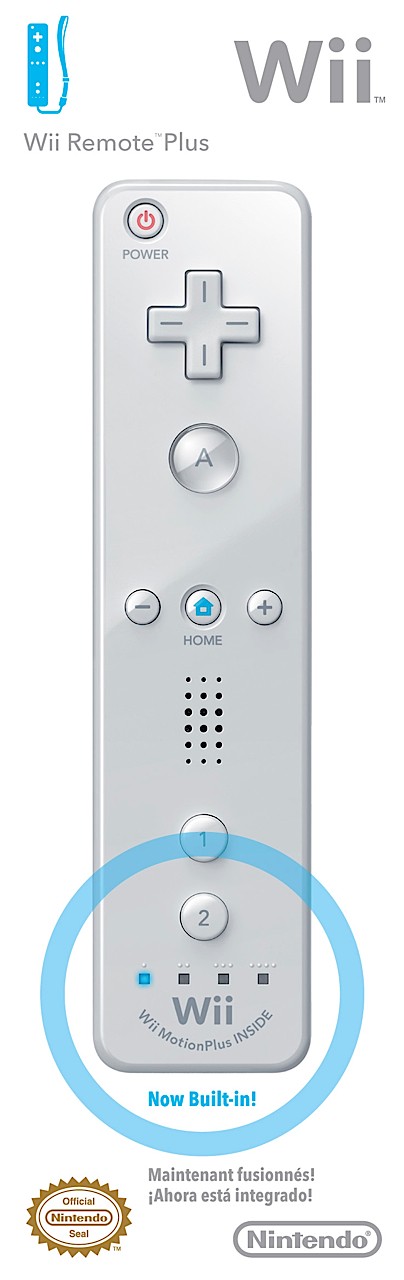
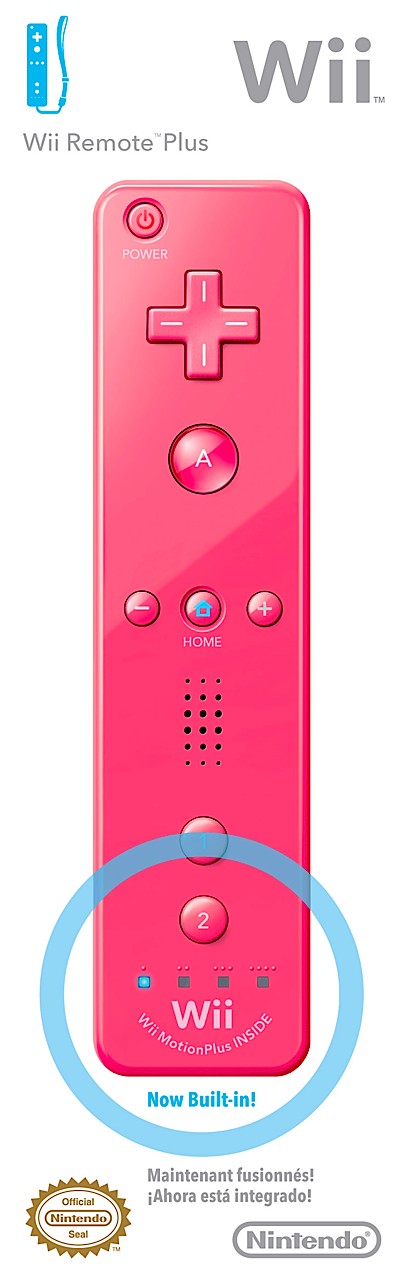
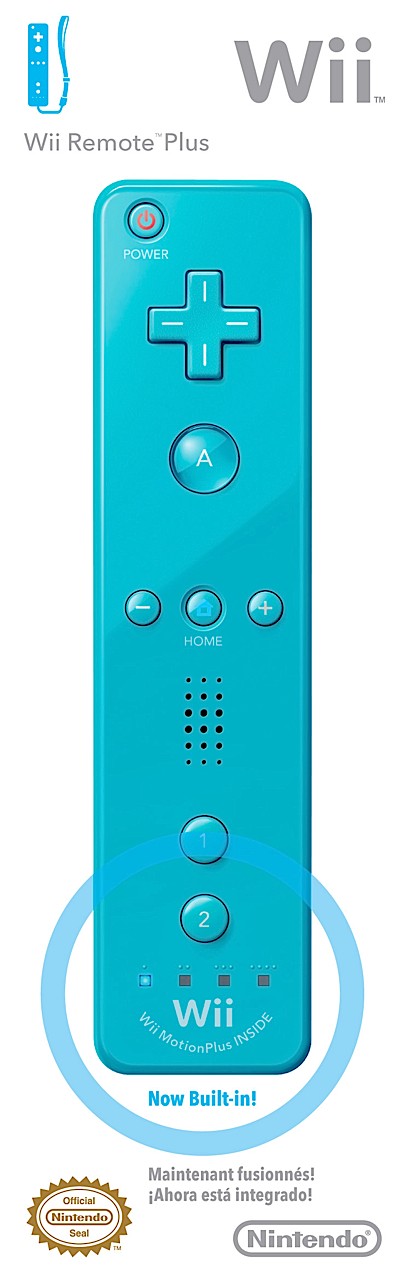
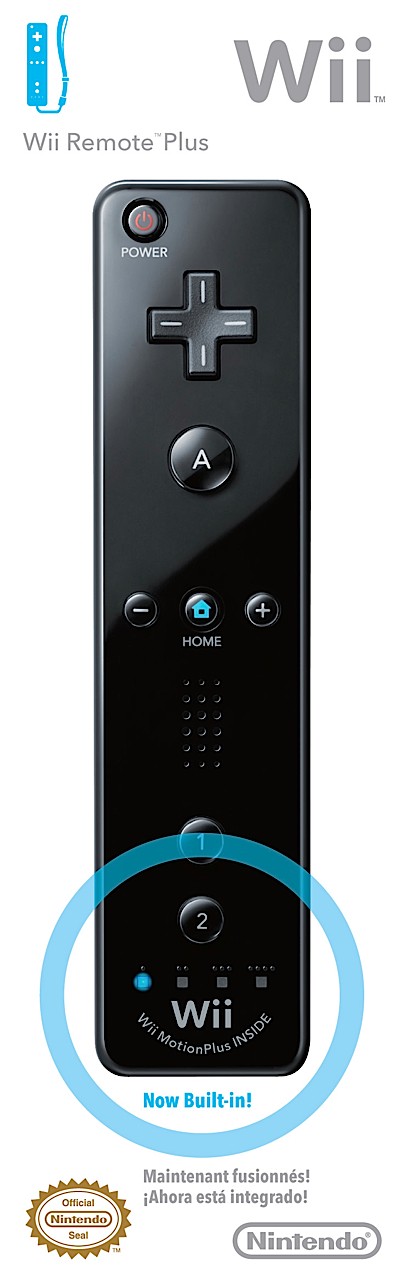
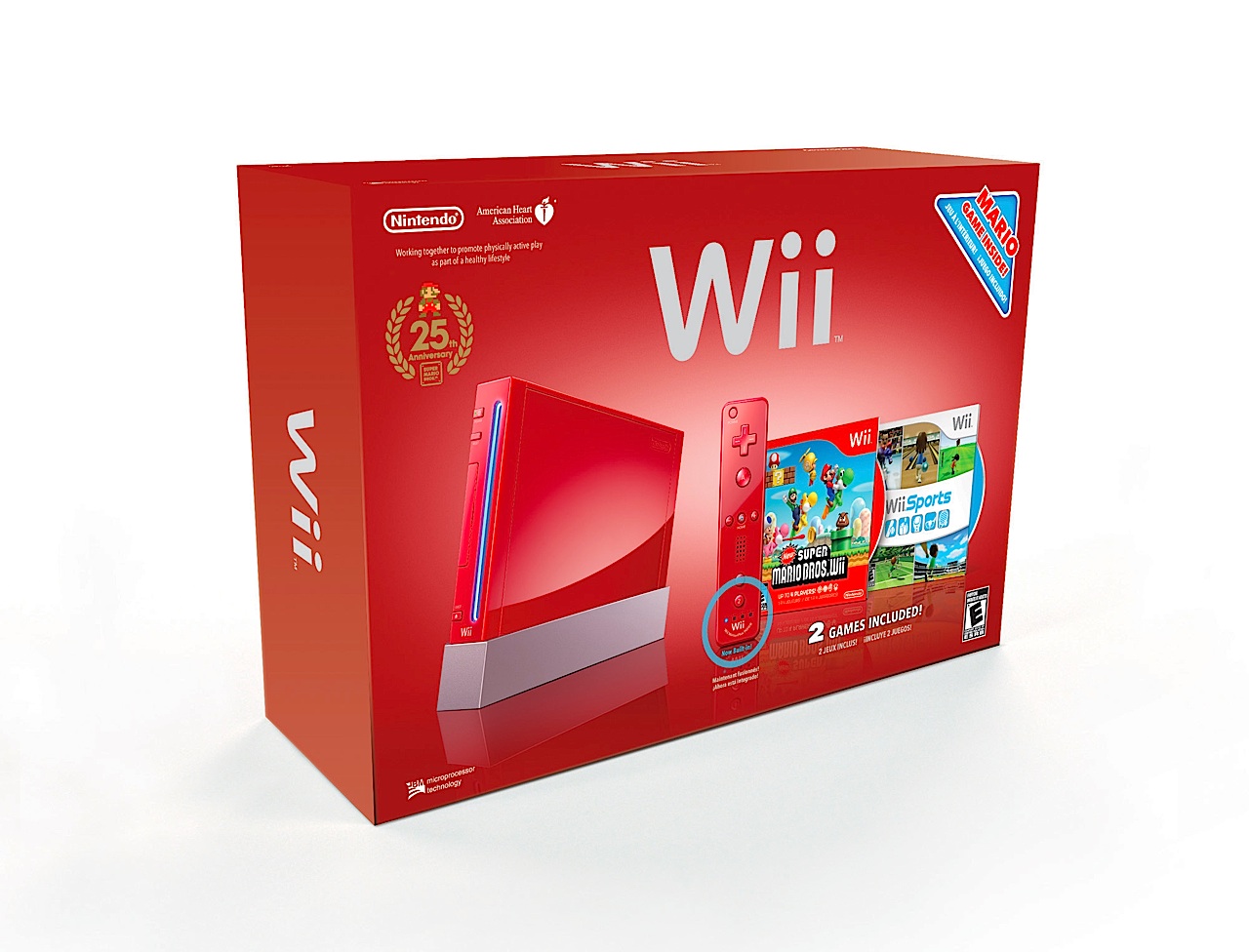
We knew it was coming, but Nintendo has made it official.  The Wii Remote Plus (or the newly designed Wii-mote with the MotionPlus accessory built inside) is coming to U.S. Wii players for an exciting low price of $39.99.  Ninty confirms the Wii Remote Plus will become the new standard Wii-mote to come stuffed inside all Wii packages and bundles when it releases November 7.  It will come in the following tints: white, pink, blue, and black.

To celebrate the 25th anniversary of the original Super Mario Bros. game, Nintendo decided to deck out the Wii in a red coat of paint for Japanese gamers.  Today I am happy to announce that the company who invented Mario is bringing the celebratory console to the States.  In addition to the red Wii console, the limited edition bundle includes a red Wii Remote Plus and matching Nunchuck, Wii Sports, and a copy of New Super Mario Bros. Wii.  The bundle costs $199.99 and ships November 7.

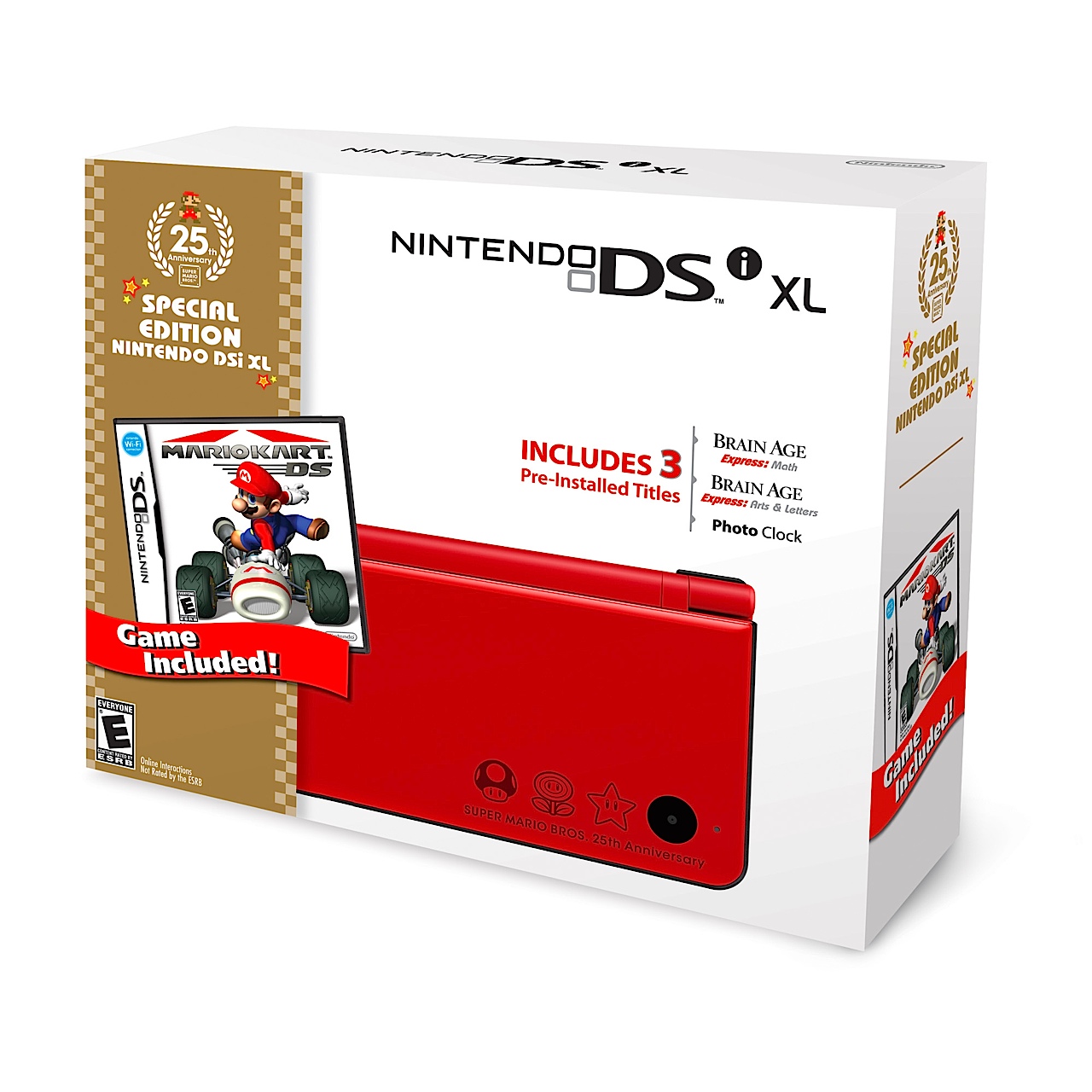
But the fun doesn’t stop there!  A special-edition Nintendo DSi XL bundle lands November 7, too.  The red DSi XL features three iconic Super Mario Bros.-themed graphics and comes bundled with a copy of Mario Kart DS and preloaded with Brain Age games and a Photo Clock.  It’s priced at 179.99.

Let’s hear it for the most iconic video game characher ever–happy birthday Mario!

[Via Joystiq]

‘Glee’ stars smokin’ hot in GQ spread

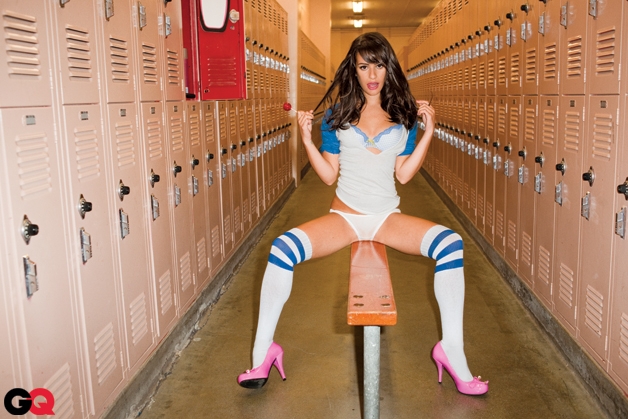
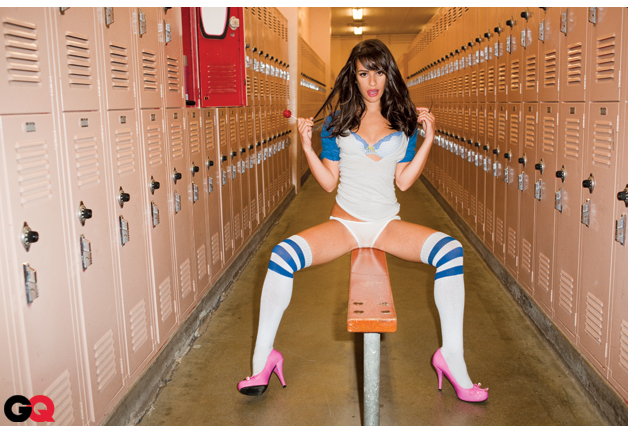
To call the GQ photoshoot featuring Glee cast members Lea Michele, Dianna Agron, and Cory Monteith provocative is sort of an understatement.  The racy shoot has stirred some controversy this week.  Members of the Parents Television Council calls it a “near-pornographic display”.  PTC President Tim Winter says, “It is disturbing that GQ, which is explicitly written for adult men, is sexualizing the actresses who play high school-aged characters on Glee in this way.  It borders on pedophilia.”  Shortly after the PTC rage surfaced GQ issued a statement defending the spread.  “The Parents Television Council must not be watching much TV these days and should learn to divide reality from fantasy.  As often happens in Hollywood, these ‘kids’ are in their twenties. Cory Montieth’s almost 30! I think they’re old enough to do what they want.”  That is so true.  Montieth is 28, the especially sexy Michele is 24, as is Agron.  These adults can certainly do whatever they so choose.  And that’s the way Sue C’s it.  Now open the gallery below and flick through some sexy Glee goodness.  And if you like words, too, click here to read the zine article.

[Via GQ; EW; Deadline]

Back to the Mac: iLife ’11, FaceTime, Mac OS X Lion, MacBook Air

Today Steve Jobs hosted an Apple keynote presentation appropriately titled Back to the Mac.  In it he demonstrated the new version of iLife ’11, highlighting major upgrades to iPhoto, iMovie, and GarageBand; introduced FaceTime for the Mac; previewed the next version of Mac OS X; and unveiled two new MacBook Air notebooks.  It’s breakdown time.

iLife ’11: The latest version of iLife packs the usual suspects–iPhone, iMovie, GarageBand, iWeb, and iDVD.  The former three have been given major upgrades in functionality.

iPhoto ’11 features a new full-screen mode.  With a click of a button (the green [+] located at the top left corner of the window), desktop applications, the menu bar, and other distractions disappear.  In full-screen mode you take advantage of more screen real estate when viewing pictures in Events, Faces, Places, Albums, and Projects.  Projects is a new way to view your collection of books and letterpress cards on a wooden bookshelf.  The ability to create custom letterpress cards is a new feature; 15 distinct themes are at your disposal to customize and order directly from Apple to send to relatives and friends.  When you go to create a book or letterpress card, a new dynamic theme browser in carousel style will be presented to you.  There are also a bunch of new slideshow themes including Holiday Mobile, Reflections, and Places.  Want to email a group of photos to a friend?  Now you can create and send an email message within iPhoto; no need to jump out and into a mail client.  You can choose from eight themes to customize how you want your pictures to be presented in the email.  And lastly there’s Facebook enhancements.  Within iPhoto you can now publish photos directly to your wall or to an existing album, and if your friends leave comments on your photos you’ll be able to view them in iPhoto.  You can also tag faces and browse all of your Facebook albums in iPhoto; no need to jump out and into a browser.

iMovie ’11 features new audio editing tools.  Detailed wave forms are color coded, so now you can see where audio levels are too loud or quiet and adjust them properly.  Also there’s a new single-row view that shows you your entire movie project in one horizontal row, making it easier to edit your soundtrack.  One-step effects are also at your disposal.  Adding visual effects like instant replay, flash and hold, and jump cuts at beats can be done with minimal amount of clicks.  The new People Finder feature works similarly to Faces in iPhoto; the software will analyze your video to identify the parts with people in them.  It also finds the close-ups, medium shots, or wide angles making it easier to find these specific shots during an edit session.  There are two new themes: sports and news.  And now you can publish your movies directly Vimeo,CNN iReport, and Apple Podcast Producer in addition to iTunes, YouTube, Facebook, and your mobile devices.  Last there’s movie trailers.  You can choose from 15 templates to create professional-looking movie trailers out of your clips.  Apple commissioned the London Symphony Orchestra to record (in Abbey Road Studios) and perform original tracks for you to use when creating movie trailers.  Outline and storyboard views make it simple to put together a movie trailer in no time.

GarageBand ’11 includes two new features called Flex Time and Groove Matching.  Flex Time allows you to fix timing mistakes on the fly; you can literally click and drag any part of a waveform to change the timing of a note or beat.  Groove Matching is described as “an automatic spell checker for bad rhythm.”  If one (or multiple) instruments appears to be out of rhythm, all you have to do is select the one instrument that has the perfect rhythm (called the Groove Track) and all the other instrument tracks will instantly match it.  A new feature called “How Did I Play?” gives you the opportunity to play along with a piano or guitar lesson, record yourself, and test how you’re doing in real time.  Like Guitar Hero, the GarageBand lesson will keep track of your performance with a performance meter and show you missed notes in red to help you perfect your skills.  A track progess bar will show you how better (or worse) you’re performing a particular song by date.  Finally, there’s new lessons for piano and guitar, as well as new guitar amps and stompbox effects.

iLife ’11 is available for purchase today at $49.  A family pack, which includes 5 licenses, goes for $79.  Keep in mind iLife ships free with every new Mac. Continue reading Back to the Mac: iLife ’11, FaceTime, Mac OS X Lion, MacBook Air

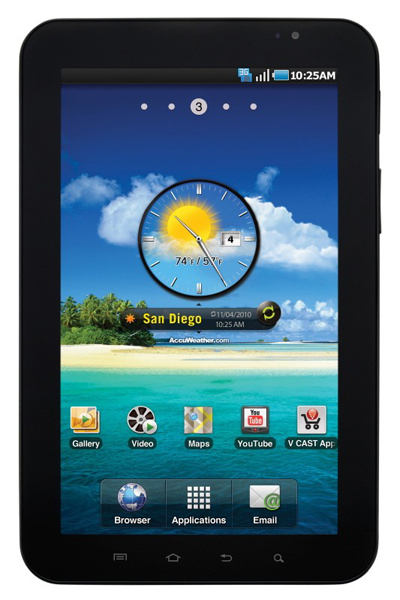
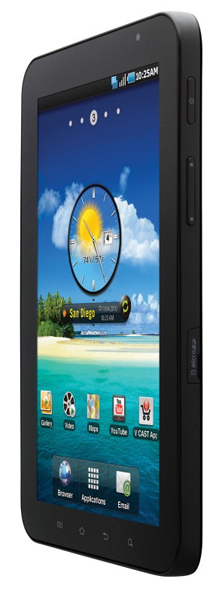
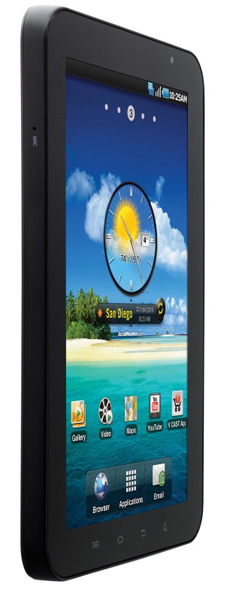
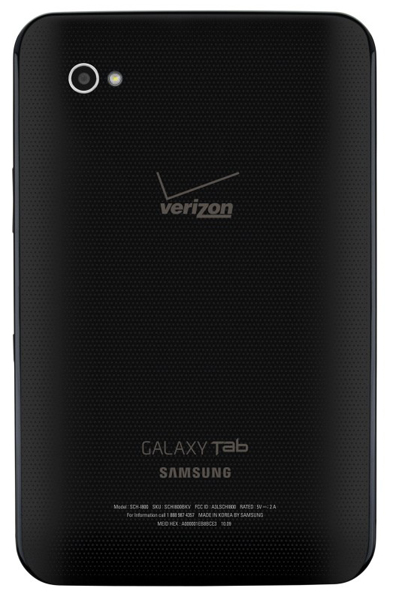
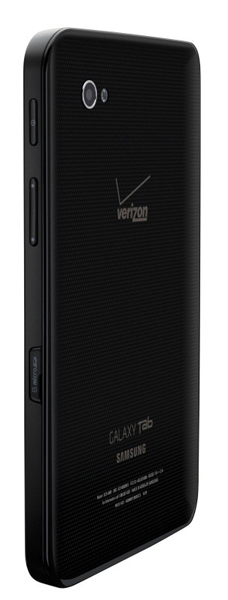
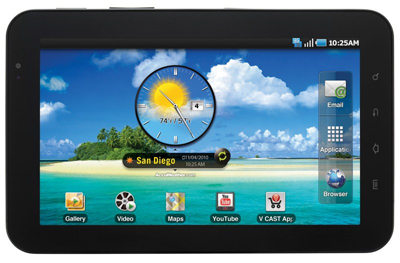
Samsung Galaxy Tab coming to Verizon Wireless November 11 for $599.99 [Update: Sprint & T-Mobile details]

If you’ve been hunting for an iPad alternative to satisfy your tablet needs, look no further than here.  Samsung’s Galaxy Tab will be sold through Verizon Wireless for $599.99 come November 11.  You want specs?  Oh, I got specs.  The Tab sports a 7-inch (1024×600, WSVGA) multitouch display, 1GHz Cortex A8 Hummingbird processor, rear-facing 3 megapixel camera with LED flash and autofocus, front-facing 1.3 megapixel camera, 2GB of onboard storage with 16 GB pre-installed on a microSD card (expandable memory up to 32GB), 802.11n WiFi, A-GPS, and a headphone jack.  It weighs 13 ounces and is 12 millimeters thin; Sammy says it can “easily fit into a jeans’ backpocket”, but I’m not so sure about that.  The display supports full HD 1080p video playback and the rear-facing camera can shoot up to 720p at 30 fps.  The browser supports Adobe Flash Player 10.1.

The Tab runs Android 2.2 (aka Froyo) with a tweaked version of Samsung’s TouchWiz skin on top.  Google Maps Navigation and Google Goggles come preinstalled, along with Swype keyboard functionality.  Apps like Qik and Fring are available to download in the Android Market and can be used for video chatting over a WiFi connection.  In addition to its custom skin, Samsung is throwing in some of their own apps they think will be useful for users.  The Media Hub offers a “vast lineup of critically acclaimed films and TV programs for rent or purchase.”  Samsung has partnered with MTV Networks, NBC, Paramount, and Universal Studios Home Entertainment to bring media content to Tab owners.  Purchased content can be shared with up to five devices that carry the Media Hub application.  The Social Hub “works with the user’s Messaging and Contacts to initiate the sending and receiving of information, whether it is e-mail, instant messaging, social network updates or SMS messages.”  Also, calendar information from portal calendars like Google Calendar and social networks can be unified into one calender view.  There’s also a Document Viewer & Editor that can open and make changes to any Word, Excel, Powerpoint or PDF document, AllShare DLNA Technology can stream content to DLNA-compatable devices, and Daily Briefing gives you access to updated weather, news, stocks, and schedules.  Accessories will be sold separately: keyboard dock ($99.99), desktop dock ($49.99), car/GPS dock ($99.99).

The Tab will eventually be sold through all major US carriers (including AT&T, Sprint, and T-Mobile), but it’s coming to Verizon Wireless first.  The Tab on VZW will sell for $599.99 with no strings attached, meaning there’s no required 2-year contract obligation.  You can access the Internet on it using WiFi, and if you so choose you can add an optional 3G plan and pay $20/month for 1GB of data.  Users can access  V CAST Apps, Verizon’s mobile storefront for apps, and the Tab will come preloaded with V CAST Music, V CAST Song ID, VZ Navigator, Slacker Radio, Kindle for Android, BLOCKBUSTER On Demand, and a game called “Let’s Golf.”  Text, picture and video messaging is supported, but voice calling is not.  I repeat, the Tab is not a cell phone.  It may look like an oversized Android handset, but it cannot make and receive calls in the U.S.

Look in the gallery below to check out the Samsung Galaxy Tab from all angles, and jump after the break to watch a 10 minute “official demo” of the Android tablet.

Update (10/25): Today Sprint shared pricing details for their version of the Galaxy Tab.  Sprint customers can purchase the Tab for $399.99 with an obligatory two-year contract and they’ll need to cough up $29.99/month for 2GB of data or $59.99 for 5GB.  Preorders start today and it releases November 14.

Update 2 (10/27): T-Mobile will sell the Tab for $399.99 on a two-year contract.  A $35 activation fee is required.  Goes on sale November 10.

Update 3: The Tab is also coming to U.S. Cellular, but price and a release date have not been detailed yet.

[Via Samsung; Engadget, here, here & here; IGN]

Continue reading Samsung Galaxy Tab coming to Verizon Wireless November 11 for $599.99 [Update: Sprint & T-Mobile details]

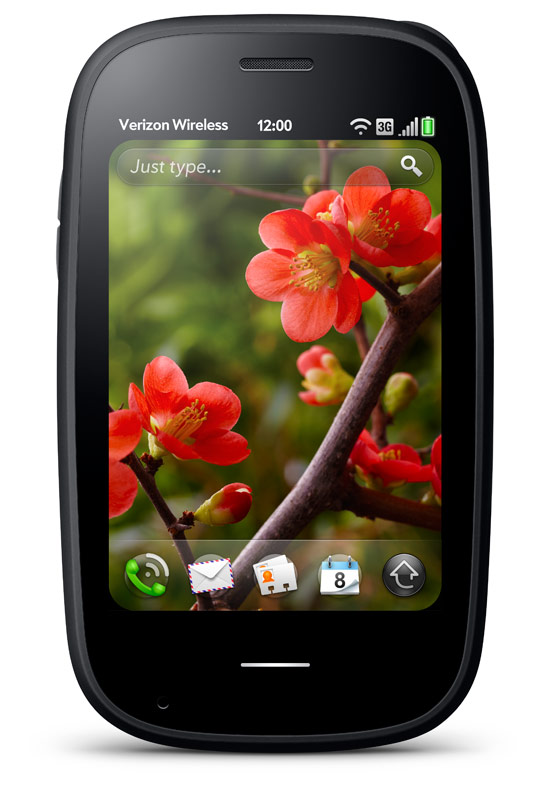
HP re-enters the smartphone race with webOS 2.0 & Palm Pre 2

There’s no denying that HP has been a smartphone player for years.  The first iPAQ running an ancient version of Windows Mobile was first introduced in 2000.  But today marks a new era in the smartphone industry for HP.  In April HP aquired smartphone and OS manufacturer Palm for a cool $1.2 billion with the intention of clearing off the dust and starting fresh.  Before the aquisition, Palm had already invented the modern webOS interface and hardware to go along with it in the Pre and Pixi.  Under HP’s guidance and supervision, Palm is ready to show off a new version of webOS and a new Pre device.

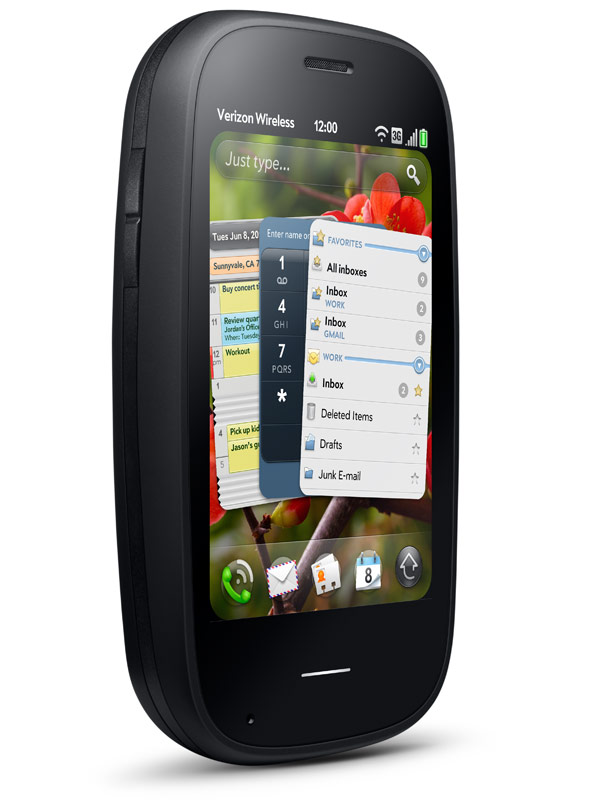
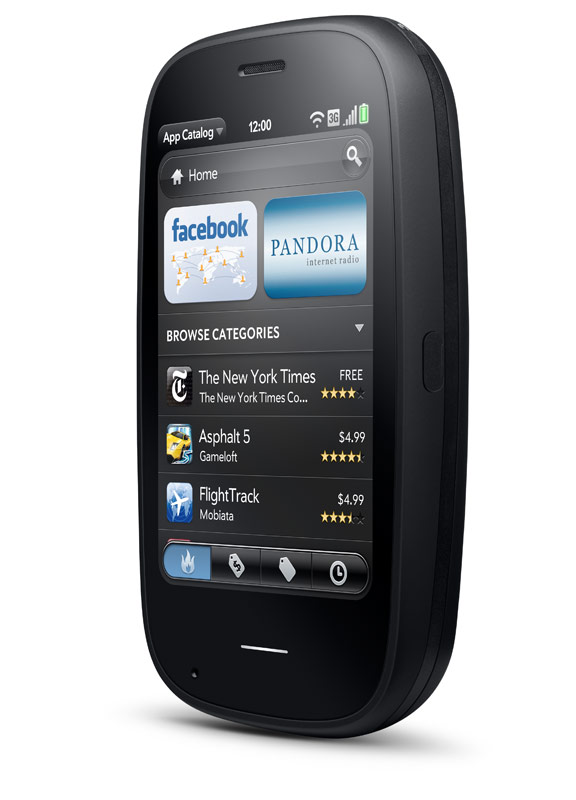
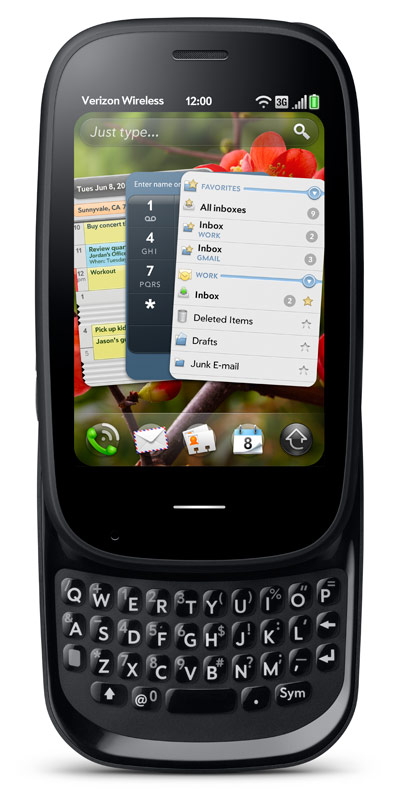
HP webOS 2.0 boasts a load of new features.  The big ones include: (1) “True multitasking” & Stacks – You can move back and forth between apps and they’ll remain the exact state you left them in; Stacks keeps related items (or cards) together making it easier to manage open applications.  (2) Just Type & Quick Actions – Just Type is Palm’s name for universal search; starting typing and the device will automatically search your phone’s database and the Internet for related content.  This is open for developers to experiment with; they can integrate with the search function and add their own user-customizable shortcuts called Quick Actions.  (3) HP Synergy – After signing into your Facebook, Google, Microsoft Exchange, LinkedIn and/or Yahoo accounts, the information from these services will automatically populate your phone, allowing you to connect seamlessly to multiple web services.  You have the control to choose what gets pulled from the cloud and stored on your phone–contacts, calendars, messaging, etc.  This feature will also be open to developers, allowing them to cull data on your phone if you allow it.  (4) Exhibition – When you plug your phone into a Palm Touchstone Charging Dock the Exhibition app will launch automatically, and it will display what you want it to while it’s charging (a Facebook photo slideshow, the day’s agenda, etc.).  Developers will be granted an API to display aspects of their existing app experience or create specialized apps for use when the phone is charging.  (5) Adobe Flash Player 10.1 beta – The web browser will support Flash content.  Other notable features include: unified messaging, text assist (spell check, auto correct), HTML5 support in browser, a customizable launcher, integrated Quickoffice suite, and support for Exchange,VPN, Bluetooth keyboards, and SPP peripherals.  The Palm App Catelog will be accessable too, with Facebook 2.0 and Skype Mobile featured at launch.

There’s the software.  Let’s talk hardware.  The Palm Pre 2 looks nearly identical to its older sibling.  It boasts a 3.1-inch (480 x 320, HVGA) multitouch display, 1GHz processor, 5 megapixel camera with LED flash, 16GB of internal storage, built-in GPS, ambient light & proximity sensors, an accelerometer, 802.11b/g WiFi, Bluetooth 2.1+EDR,  a 3.5mm headphone, and battery that promises five-and-a-half hours of talk time.  The “sleeker, streamlined design” features the same slideout QWERTY keyboard and touch panel along the bottom.  All in all, it’s a slimmer, faster Pre running a mildly tweaked version of webOS.

The software definitely looks compelling; what I’m most worried about is the hardware.  The specs are simply on par with what’s on the market today, and the design looks very aged.  Palm had much time to develop new hardware to release with webOS 2.0 and what they came up with is nothing to call home about.  It’s 2009 hardware packed with 2010 software–not the most ideal of situations for a company excited to breakout into the heated smartphone competition.  Pre 2 feels like Pre 1.5 (or arguably what the Pre Plus should have been when it released last January).

Palm Pre 2 running webOS 2.0 will be available this Friday in France from the SFR mobile carrier.  It will arrive in the States and Canada “in the coming months” on Verizon Wireless (US).  Pricing details have yet to be disclosed.  Existing webOS users will receive an update to the latest version also “in the coming months.”  And if you’re a developer, you can purchase unlocked UMTS versions of Pre 2 in the US to start building apps.

Look below for still images of the Pre 2 and webOS, and hop after the break for an under ten minute video tour of the new platform and official PR.

[Via HP; Engadget]

Continue reading HP re-enters the smartphone race with webOS 2.0 & Palm Pre 2

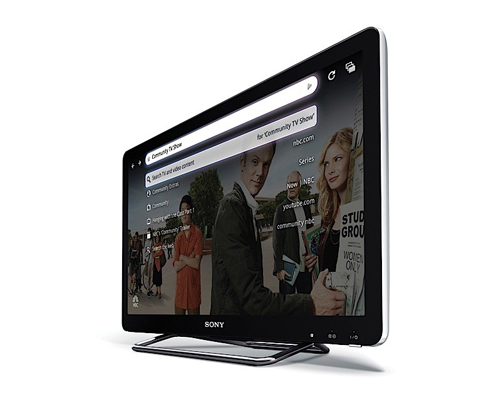
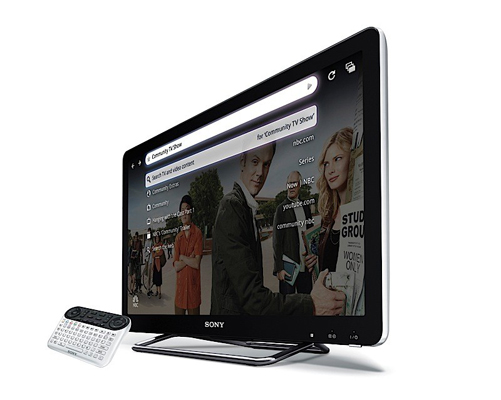
Google TV ready for primetime (part 2): Sony Internet TV & Blu-ray Disc Player

Yesterday Sony held their own event to reveal their Google TV initiative.  Unlike Logitech’s companion box (the Revue), Sony is incorporating Google TV into a new line of HDTVs and a Blu-ray player.  The Google TV experience on the new Sony TVs and BD player is exactly the same as it is on Logitech’s Revue, so I will spare you another Google TV explanation and jump right to the hardware announcements.

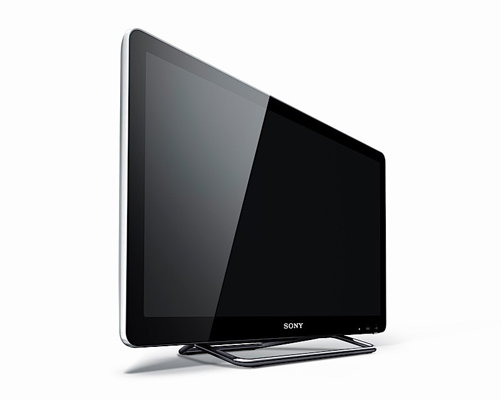
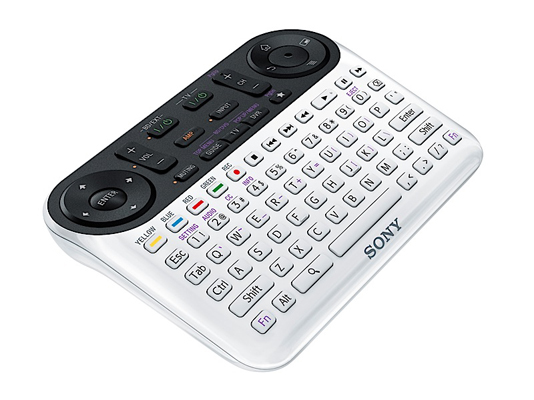
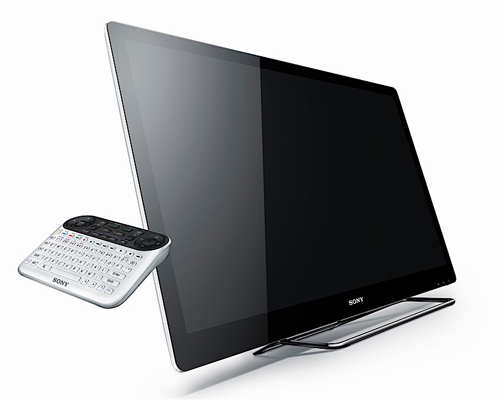
The Sony Internet TV lineup includes 4 HDTVs: the 24-inch NSX-24GT1 ($599.99), the 32-inch NSX-32GT1 ($799.99), the 40-inch NSX-40GT1 ($999.99), and the 46-inch NSX-46GT1 ($1,399.99).  They all feature a full HD 1080p display with edge LED backlighting except for the 24-incher; that one’s fitted with CCFL backlighting.  They all include built-in WiFi and around back there’s 4 HDMI ports, an Ethernet port, 2 USB ports, component and composite video inputs, optical audio output, 2 IR blasters, a headphone output, and power of course.  Every TV will come bundled with an bizarre-looking QWERTY keypad remote.  Though it appears large in pictures, the remote is about the size of the small Logitech Mini Controller and it takes design cues from the PS3 DualShock controller (it’s got left and right triggers).  In addition to the QWERTY buttons, the remote also has a D-pad and an optical mouse built-in.  The whole contraption does not look entirely intuitive; there’s definitely going to be a learning curve with it.

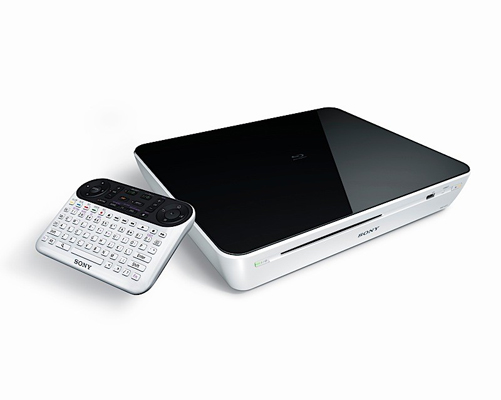
Already have a perfectly fine HDTV in the living room?  Skip the TV and go for the new Internet TV Blu-ray Disc Player.  At $399.99, the BD player sounds like a pretty good deal when it compare it to the Logitech Revue.  For an extra $100 you’re getting Blu-ray disc support; something to think about.  The player includes built-in WiFi, 1 HDMI input, 1 HDMI output, and 4 USB inputs.

I said I wouldn’t talk about software, but there’s one Sony addition on this front.  In addition to the Google TV apps, all Sony Internet TV products will come preinstalled with Qriocity, a Sony video on-demand app.  Sony also reminds you that more apps are on the way when the Android Market hits Google TV in early 2011.

The Sony Internet TV and Sony Internet TV Blu-ray Disc Player are currently on pre-sale at SonyStyle and Best Buy.  They will be available to purchase this weekend starting October 16 at Sony Style stores, and they’ll make their way to Best Buy outlets on October 24.

Google TV has arrived.  Will it be the Logitech Revue or Sony Internet TV?  The choice is yours.

[Via Sony; Engadget]

Windows Phone 7: 10 devices, 4 launch hardware partners, 60 mobile carriers in over 30 countries worldwide; coming 10/21 in Europe & Asia, early November in U.S.

Today Microsoft CEO Steve Ballmer took the stage in New York City to reveal the final details surrounding the launch of Windows Phone 7.  Microsoft first unveiled their new cell phone operating system in February at Mobile World Congress; next they spotlighted developer support at MIX’10; and most recently they detailed Xbox Live integration.  All there was left to do is reveal launch harware and mobile operator partners and device release dates and pricing.  And that’s exactly what went down today in NYC.

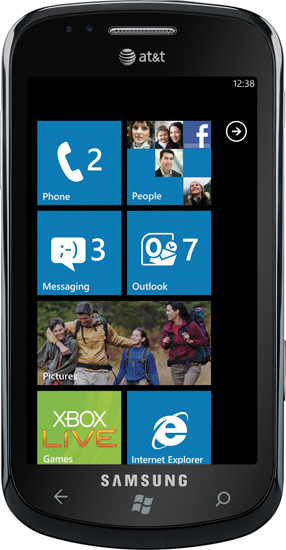
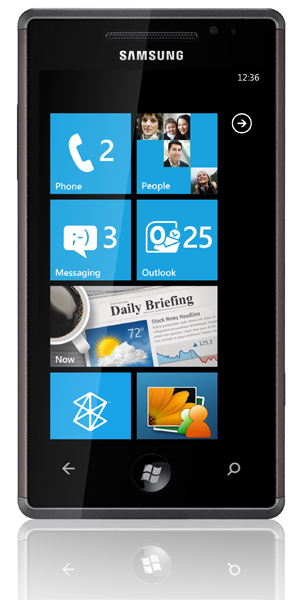
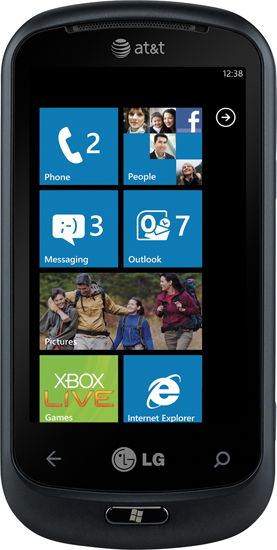
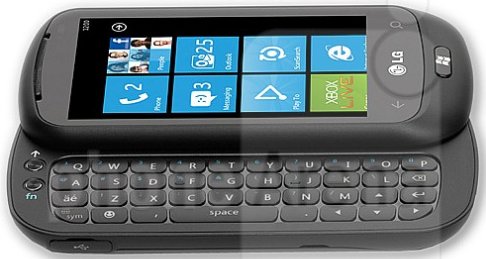
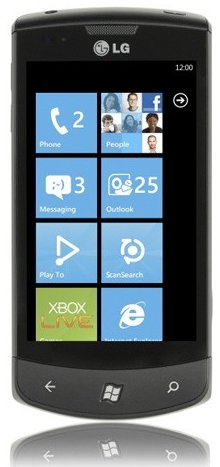
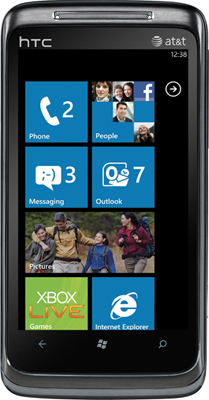
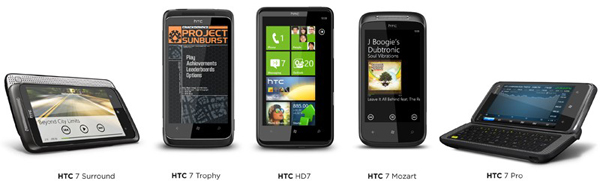
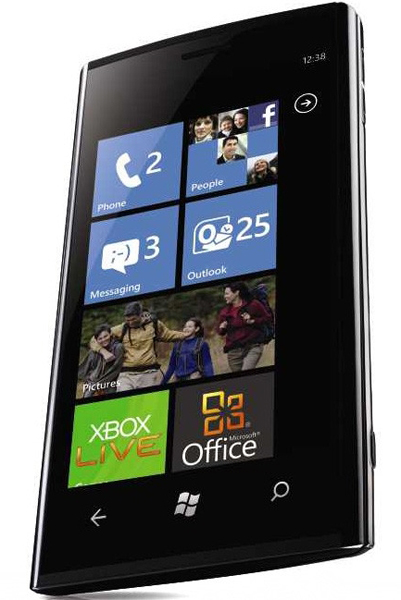
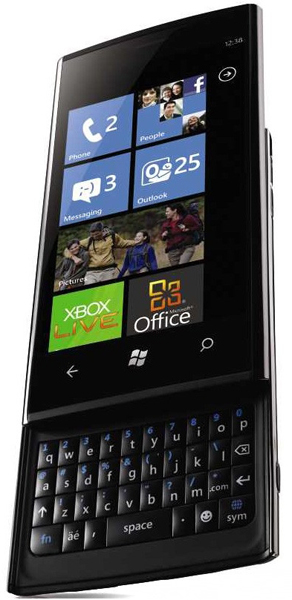
Let’s start with the Windows Phone 7 launch hardware partners and the actual devices you might potentially pick up come this holiday season.  Samsung, LG, HTC, and Dell are collectively bringing ten new devices that will run WP7.  The Samsung Focus (codenamed Cetus) features a 4-inch (480×800) Super AMOLED display, 1GHz processor, 5 megapixel camera with LED flash, and 8GB of onboard storage with microSD expansion up to 32GB.  It’s the thinnest WP7 launch device measuring at 9.9mm (or .3 inches) thin.  It will launch exclusively with AT&T in the U.S.  The Samsung Omnia 7 features the same 4-inch (480×800) Super AMOLED display, 1GHz Snapdragon processor, 5 megapixel camera with LED flash, and 8GB of onboard storage.  It will launch with Orange (France and UK), SFR (France), Movistar (Spain), and Deutsch Telekom on November 8.  The LG Quantum (or Optimus 7Q outside the U.S.) features a 3.5 inch (480×800) display, 1GHz Snapdragon processor, 5 megapixel camera with LED flash, 8GB of onboard storage, a slideout QWERTY keyboard, and it comes preloaded with PlayTo, an app that allows users to wirelessly stream content to DLNA-enabled devices.  It will launch exclusively with AT&T in the U.S. and with Telstra in Australia.  The LG Optimus 7 features a 3.8 inch (480×800) LCD display, 1GHz processor, 5 megapixel camera with LED flash, and 16GB of onboard storage.  It will launch with Telus (Canada), América Móvil (Mexico), Movistar (Spain), Vodafone (Germany, Italy, Spain and UK), and SingTel (Singapore).

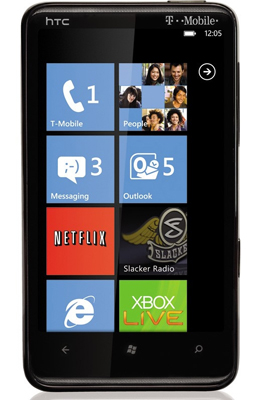
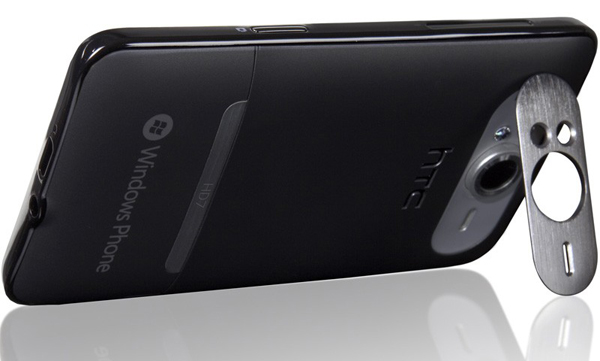
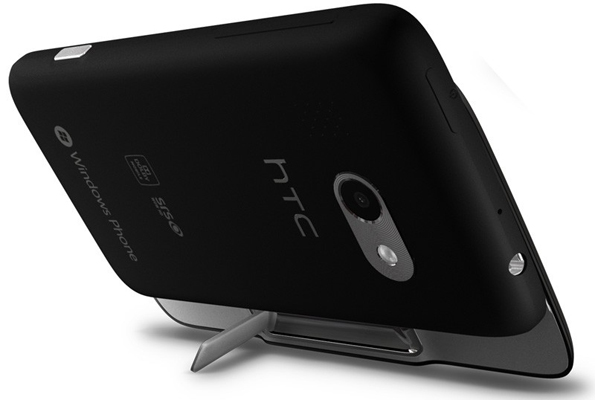
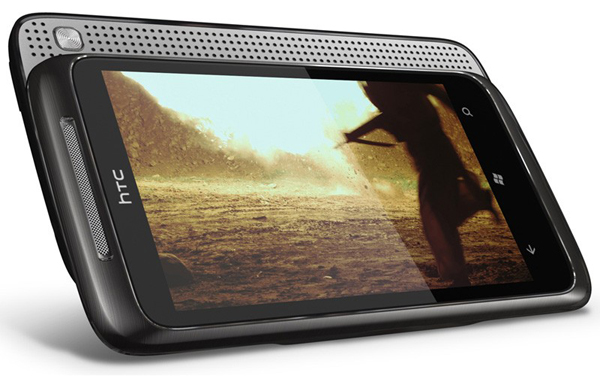
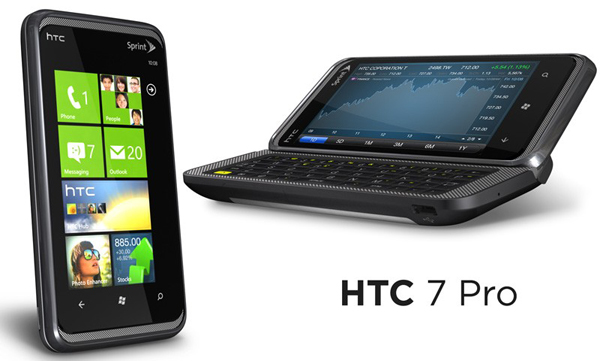
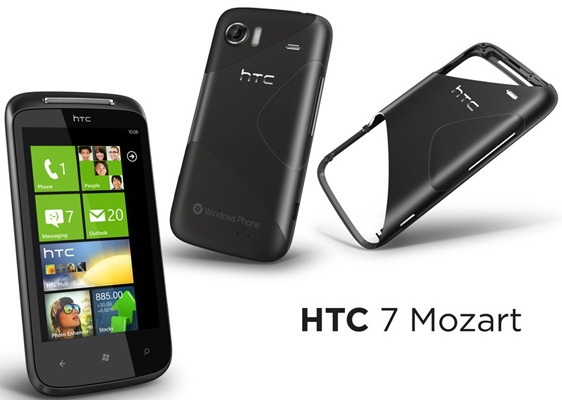
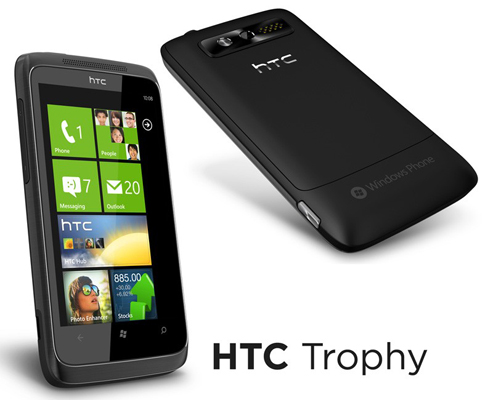
HTC is launching five WP7-powered devices.  The HTC HD7 features a 4.3 inch (480×800) display (it’s the WP7 launch device with the largest display), 1GHz Snapdragon processor, 576MB of RAM, 5 megapixel autofocus camera with dual LED flash (supports HD 720p video recording), 16GB of onboard memory, built-in kickstand, and it comes preloaded with Netflix, Slacker,  T-Mobile Family Room (a note-taking sharing app), and a T-Mobile TV entertainment app.  It will launch exclusively with T-Mobile in the U.S. in mid-November and with O2 (UK, Germany, Ireland), Movistar (Spain), SingTel (Singapore), Telstra (Australia), and Bouygues Telecom (France) on October 21.  The HTC 7 Surround features a 3.8 inch (480×800) display, 1GHz Snapdragon processor, 576MB of RAM, 5 megapixel autofocus camera with LED flash (supports HD 720p video recording), built-in kickstand, and 8GB of onboard storage.  What makes this device standout from all the others is the slideout speaker that features Dolby Mobile and SRS Surround Sound technologies.  It will launch exclusively with AT&T in the U.S. and with Telus in Canada.  The HTC 7 Pro will be the first WP7 CDMA device and will launch exclusively with Sprint in the first half of 2011.  It features a 3.6 inch (400×800) display, 1GHz Snapdragon processor, 576MB of RAM, 5 megapixel autofocus camera with LED flash (supports HD 720p video recording), 16GB of onboard storage, and a slideout QWERTY keyboard.  Update: The 7 Pro will arrive in Europe “early next year.”  The HTC 7 Mozart and HTC 7 Trophy are two WP7 handsets that will not (initially, at least) not make it to the U.S. market.  They both feature a 1GHz Snapdragon processor, 576MB of RAM, 8GB of built-in storage, and HD 720p video recording.  Here’s where they differ.  The Mozart features a sleek aluminum unibody construction with a  3.7-inch (480×800) display and 8 megapixel camera with a Xenon flash.  The Trophy, on the other hand, features a slightly larger 3.8 inch (480×800) display and a slightly lesser 5 megapixel camera with LED flash.  The Mozart with launch with Orange (France and UK), Deutsche Telekom (Germany), Telstra (Australia) and the Trophy will launch with Vodafone (Australia, Germany, Spain and UK) and SFR (France).

And finally there’s the Dell Venue Pro.  It features a 4.1-inch (480×800) AMOLED display, 1GHz Snapdragon processor,  5 megapixel camera with flash, and a portrait-designed QWERTY keyboard.  It will launch exclusively with T-Mobile in the U.S.

And that’s a wrap on the hardware discussion.  As you can see, all ten WP7 devices are very similar in terms of internals: the 1GHz processor, the 5 megapixel camera, the 8GB-16GB internal storage, 3.5 inch to 4.3 displays, and the handful of slideout QWERTY keyboard-equipped models.  Through the end of the year, WP7 devices will be exclusive to AT&T and T-Mobile; this leaves a wide gap in the CDMA (Verizon/Sprint) playing field.  By the time Q1 of 2011 rolls around, Microsoft better have deals finalized with the other mobile carriers if they truly want to compete in the competitive smartphone market.  Also, hardware partners will eventually have to up their game with better and differentiating specifications and designs if they want to stay relevant.  HTC is doing a fine job so far with the 7 Surround speaker design the HD7’s large 4.3 inch display.  But for now, the WP7 starting lineup is quite impressive.  The stars are certainly aligning for a successful launch.

In addition to revealing hardware and mobile carrier partners, Microsoft also shared some information regarding software developments.  Though they weren’t specific about the exact number of launch apps for Windows Marketplace, they did show off bunch of promising apps.  They include Twitter, eBay, Fandango, Netflix, Slacker, IMDb, and games such as Tetris, The Sims 3, Monopoly, Need for Speed: Undercover, and The Harvest.  AT&T CEO Ralph de la Vega was on hand to show off the AT&T U-verse app.  The app will be preloaded on all AT&T WP7 devices and will allow users to download and watch TV shows on the go.  If you are already a U-verse subscriber at home, accessing and downloading content off the app is free.  You will have the ability to manage your DVR recordings, access TV guide listings and an On Demand library.  If you are not a subscriber, AT&T will offer a $9.99/month plan to watch TV on the go when WP7 launches wide in November.  (Keep in mind, “live” TV is not available; you are simply downloading content to watch now or later.)  In related news, AT&T has confirmed that Xbox 360 owners will have the ability to use their console as a U-verse receiver starting October 15.  New subscribers can order a $99 Xbox installation kit and a technician will load the software onto the console for you; current subscribers will be forced to pay an extra $55 on top of the $99 installation kit to make the switch from set-top box to Xbox.  And here’s one last software tidbit: Microsoft promises a free software update bringing copy-and-paste functionality to all WP7 devices will be pushed out in “early 2011.”  Update: In a statement Microsoft confirms that public beta software will be available for Mac users to sync “select content” with their WP7 device later this year.  Look after the break for the first two WP7 commercials!

Apple, Google, RIM…it’s on.

[Via Engadget, here, here & here; Quantum image via PhoneArena] Continue reading Windows Phone 7: 10 devices, 4 launch hardware partners, 60 mobile carriers in over 30 countries worldwide; coming 10/21 in Europe & Asia, early November in U.S.